
Casinos
Inside Time Square: How South Africa's Flagship Resort is Redefining Entertainment
2026-07-24 · 7 min read
By Redacción KingNews
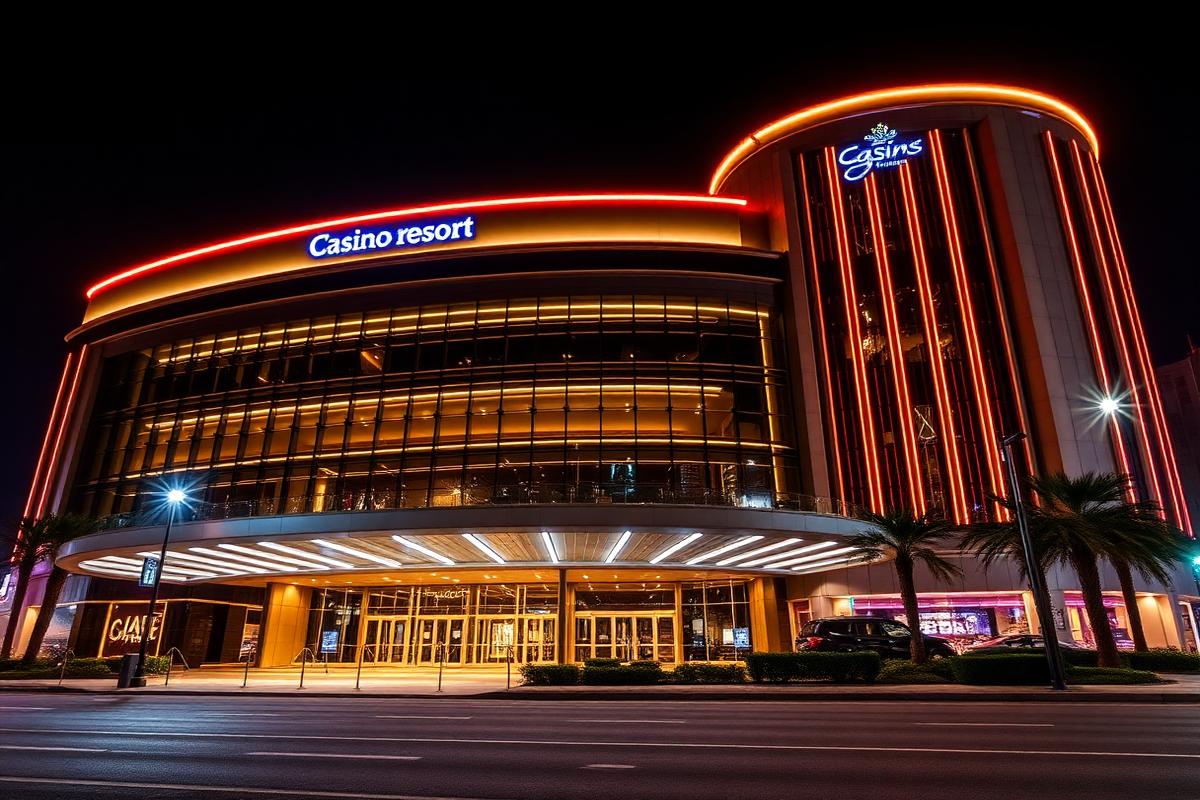
The casino remains the engine of the business, but the 8,500-seat arena, the hotel, and the gastronomy turn Time Square into an all-encompassing destination.
In Menlyn Maine, the green district of Pretoria that South Africa built as a showcase for sustainable urban planning, Time Square Resort Hotel Casino has become much more than a casino: it is the entertainment anchor of an entire satellite city. Opened by Sun International as its most ambitious gamble of the last decade, the complex combines the country's second-largest gaming floor with an 8,500-seat arena, a five-star hotel, and a constellation of restaurants that operate independently but feed off each other.
Bryan O'Connor, its general manager, sums up the complex's philosophy in an idea he repeats at every management meeting: no one comes to Time Square for a single reason, and that is precisely the business. The casino is the economic engine, yes, but what sustains occupancy from Tuesday to Thursday and fills the parking lot on a Sunday afternoon is the overlapping of reasons to walk through the door.
The Casino Still Rules, But It Is No Longer Alone
The gaming floor concentrates most of the resort's revenue. Around 1,700 slot machines and nearly 60 tables coexist in a space designed with high ceilings, filtered natural light, and wide aisles—a deliberate decision to move away from the windowless maze of the previous generation of casinos. The high-limit room, with its private access and its own service offering, operates as a business within a business, yielding a disproportionate margin relative to the space it occupies.
But O'Connor insists that the metric he monitors daily is not the table drop: it is the total spend per visitor. A guest who arrives for a concert, dines at the complex, stays one night at the hotel, and spends forty minutes on the gaming floor is worth more than a pure gambler who just walks in and out. This arithmetic has completely reordered the resort's investment priorities.
SunBet Arena: The Traffic Magnet
The SunBet Arena is the piece that changed the equation. With a capacity for 8,500 people in a concert configuration and flexibility that allows it to transition from an international show to a corporate convention in a matter of hours, the venue generates spikes in attendance that no casino marketing campaign could buy. The big names of African pop, boxing galas, family shows, and esports events alternate in a calendar that management tries to keep busy at least three weekends a month.
The spillover effect is measurable: on event nights, food and beverage revenue multiplies, the hotel nears full capacity, and the casino registers a footfall of a crowd that would never have arrived through conventional advertising. The conversion is not total—many attendees do not even step onto the gaming floor—but the volume more than compensates.
Conventions: The 10% That Sustains the Week
The MICE (meetings, incentives, conferences, and exhibitions) segment contributes approximately 10% of the business mix, a percentage that seems modest until you observe when it occurs. Conventions fill Mondays, Tuesdays, and Wednesdays, the days that historically drag down the profitability of any urban resort. With modular rooms, in-house catering, and corporate-grade connectivity, Time Square has managed to capture a good portion of Gauteng's corporate events business.
The commercial strategy is explicit: selling the entire complex, not just the meeting rooms. A corporate client booking a three-day conference receives a proposal that includes rooms, gala dinners at the resort's restaurants and, when scheduling permits, tickets to a show at the arena.
Gastronomy as Its Own Proposition
The restaurant offering was designed to function independently of the casino. There are steakhouse and grill concepts, Asian cuisine, casual high-turnover options, and cocktail lounges operating with independent brand identities. Several of these welcome local clientele who never gamble—an audience that management considers strategic because it builds the complex's reputation as a city destination rather than just a betting venue.
This openness also responds to a generational shift. Young South African visitors arrive looking for experiences and shareable content rather than slot machines, and the resort has learned to design spaces that stand up to the visual demands of that audience.
Responsibility, Community, and Omnichannel Strategy
Sun International applies a responsible gambling program at Time Square featuring self-exclusion limits, mandatory training for floor staff, and highly visible prevention messaging. The complex also maintains local development commitments in Menlyn Maine, ranging from sourcing from local suppliers to hospitality training programs for the region's youth.
O'Connor's declared ambition is for Time Square to be internationally recognized as a benchmark for the modern omnichannel casino resort: a place where physical betting, the SunBet digital platform, live entertainment, and hospitality behave as a single product for the customer. In an African market where online gaming is growing at a double-digit rate, this integration has ceased to be a marketing idea and has become a condition for survival.
Get KingNews in your inbox
Tech and gaming digest, no noise. Unsubscribe anytime.
Want to send us a news story?
Tell us your story. Our editorial team reviews it and gets back to you.
Would you like to advertise with us?
Write to us and we'll send you ad options and audience data.
More stories
Comercio electrónico · Eventos · Colombia
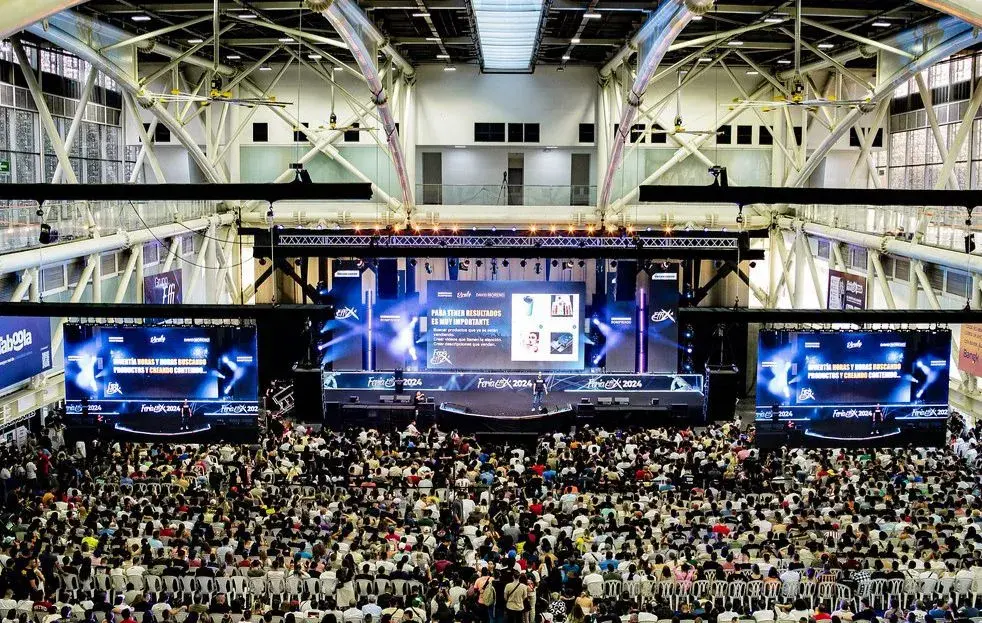
Feria Effix 2026: Medellín se convierte en la capital del comercio electrónico
Robótica · Inteligencia artificial · Sistemas autónomos
La colmena blindada: robots terrestres que podrían comandar enjambres de drones
Agrotecnología · Inteligencia artificial · Ganadería
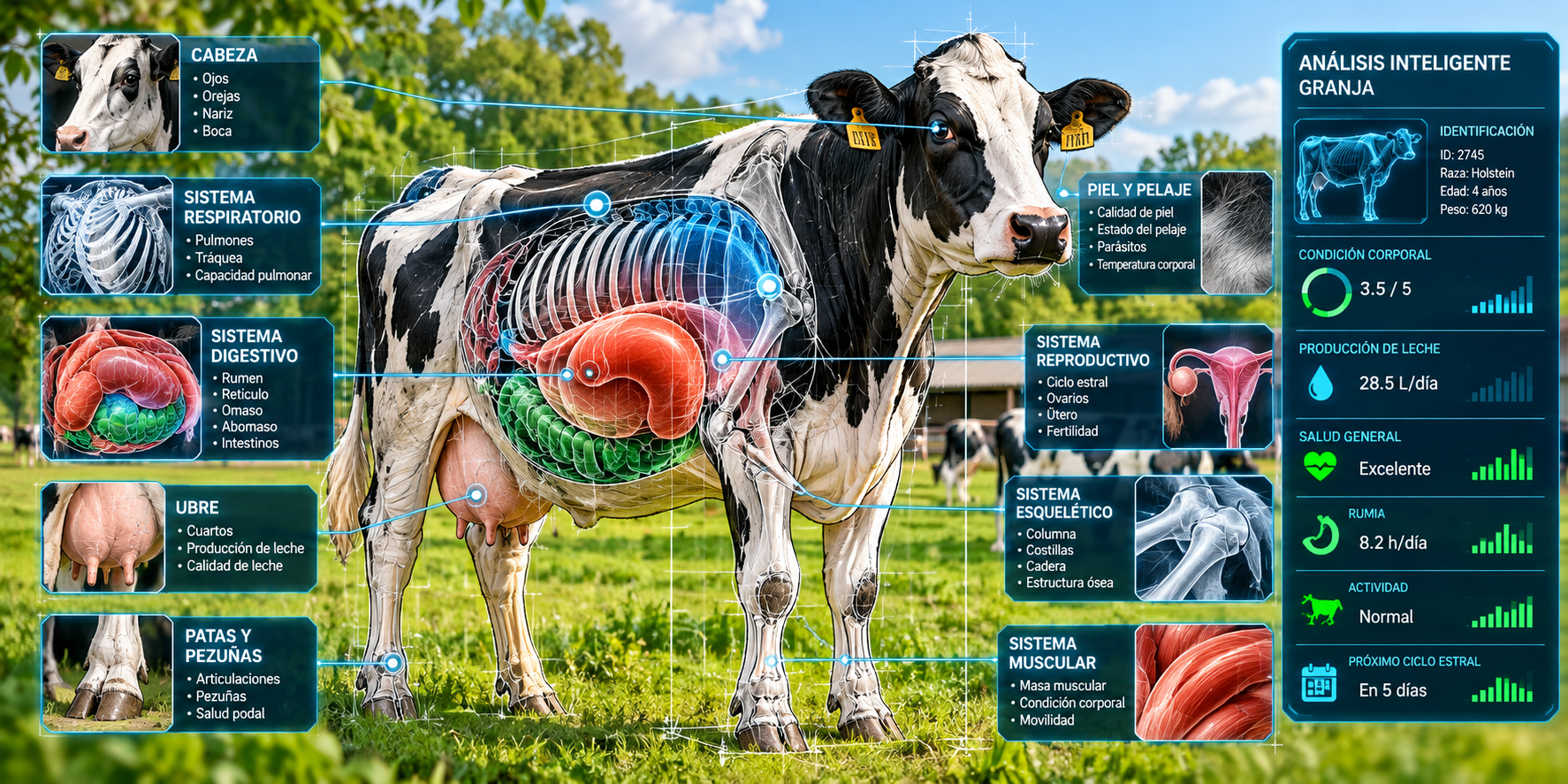
La granja autónoma toma forma: IA, drones y robots llegan al campo

Inteligencia artificial · Empresas · Opinión
BMW adelgaza su dirección con IA: ¿ha llegado la hora del gerente artificial supervisado?
Inteligencia física · Agricultura · Robótica industrial
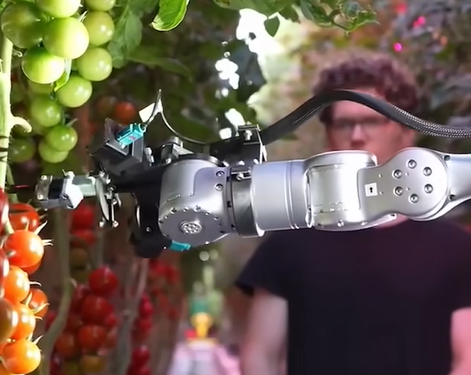
Polybot enseña a un robot a cosechar tomates mirando cómo trabajan los humanos
Inteligencia física · Robótica · Aprendizaje autónomo