
Lotteries
Panama ends the electronic lottery after a court ruling that annulled the contract
2026-04-22 · 5 min read
By Redacción KingNews
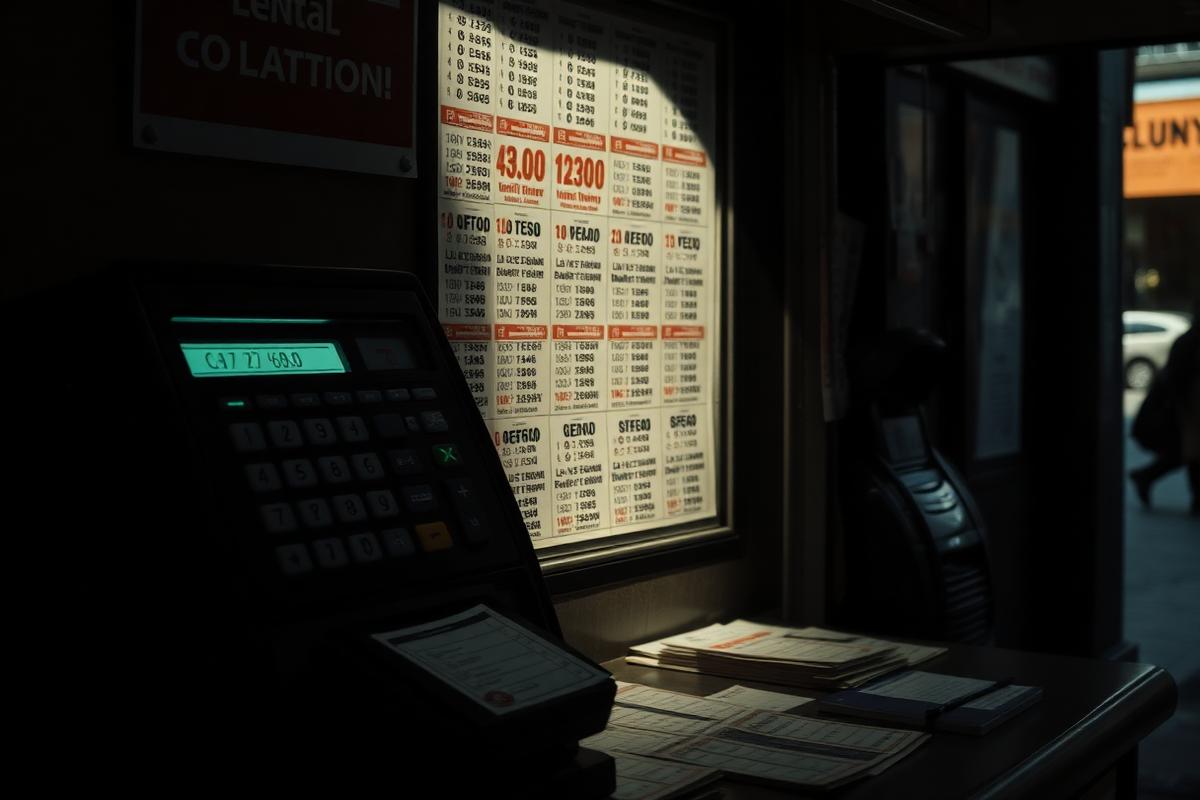
The National Charity Lottery held the last electronic drawing on April 21, 2026 after the Supreme Court declared the addendum with Scientific Games LLC void.
The National Charity Lottery (LNB) confirmed that the last draw for the electronic lottery in Panama was held on Tuesday, April 21, 2026, following a ruling by the Third Chamber of the Supreme Court of Justice that declared the addendum that supported the operation of these games illegal. The decision marks the end of products such as Lotto and Pega 3, which for years were part of the entity's digital portfolio.
The official statement establishes that the cessation of operations responds to the nullity of Addendum No. 5 of the contract signed with Scientific Games LLC, which forced the immediate suspension of the marketing of these products. The measure came into effect once the corresponding draw was concluded, closing a cycle that had generated relevant income within the electronic games segment.
Queues at points of sale before closing
During the day before the last draw, lines were observed at different points of sale, with users who came to participate for the last time in this modality. The reaction reflected the level of penetration the product had achieved in the market, especially among players who had migrated from traditional sweepstakes to faster, digital platforms.
The ruling of the Supreme Court, contained in the judicial edict, determined that the addendum that allowed the operation of the contract was null and void as illegal, which leaves the relationship with the operating company without legal basis and directly impacts a business model consolidated in recent years.
An early political decision from 2024
Shortly after assuming the reins of the country in July 2024, President José Raúl Mulino placed the electronic lottery among the first items on his agenda and ordered the process to close it to begin, maintaining that the scheme was not profitable for the State and favored third parties linked to the business.
"The problem is not only who wins, but how much the National Charity Lottery fails to win," said Mulino, highlighting that these operations generated a weekly gross sale of close to 900 thousand dollars, with an annual projection of about 46 million, without this volume translating into proportional benefits for the institution.
A segment in full growth
Figures from the Comptroller General of the Republic confirm the sustained growth of digital games. In 2024, Internet gambling generated $322.4 million in gross bets; By 2025 that figure has climbed to 587.7 million, consolidating itself as one of the most dynamic segments of the betting market.
The behavior was maintained in 2026: between January and February alone, bets in the segment reached 107.4 million dollars, a year-on-year growth of more than 57%. Despite regulatory questions, the electronic lottery had become one of the main income drivers of the ecosystem.
Return to traditional draws
The Government has maintained that the model affected the traditional structure of the LNB, including the 13,500 wallets that depend on physical sales. Mulino also questioned the levels of refunds and the commissions involved, pointing out that the operation generated a decrease in institutional efficiency.
With the suspension of these products, the LNB will have to concentrate again on its traditional raffles such as the Gordito del Zodiaco, the Miércolito and the Sunday. The entity reiterated its commitment to guarantee the payment of pending prizes and maintain the continuity of its operations under criteria of legality and transparency.
The decision opens a new scenario for the gaming industry in Panama, in a context where regulation, profitability and institutional control return to the center of public debate.
Get KingNews in your inbox
Tech and gaming digest, no noise. Unsubscribe anytime.
Want to send us a news story?
Tell us your story. Our editorial team reviews it and gets back to you.
Would you like to advertise with us?
Write to us and we'll send you ad options and audience data.
More stories
Comercio electrónico · Eventos · Colombia
Feria Effix 2026: Medellín se convierte en la capital del comercio electrónico
Robótica · Inteligencia artificial · Sistemas autónomos
La colmena blindada: robots terrestres que podrían comandar enjambres de drones
Agrotecnología · Inteligencia artificial · Ganadería
La granja autónoma toma forma: IA, drones y robots llegan al campo

Inteligencia artificial · Empresas · Opinión
BMW adelgaza su dirección con IA: ¿ha llegado la hora del gerente artificial supervisado?
Inteligencia física · Agricultura · Robótica industrial
Polybot enseña a un robot a cosechar tomates mirando cómo trabajan los humanos

Inteligencia física · Robótica · Aprendizaje autónomo