
Digital Economy · Creator Economy
Leonid Radvinsky, the invisible owner of OnlyFans, dies at the peak of his empire
2026-09-05 · 10 min read
By Álvaro AbrilCEO de Geniales.co · Director de KingNews.online
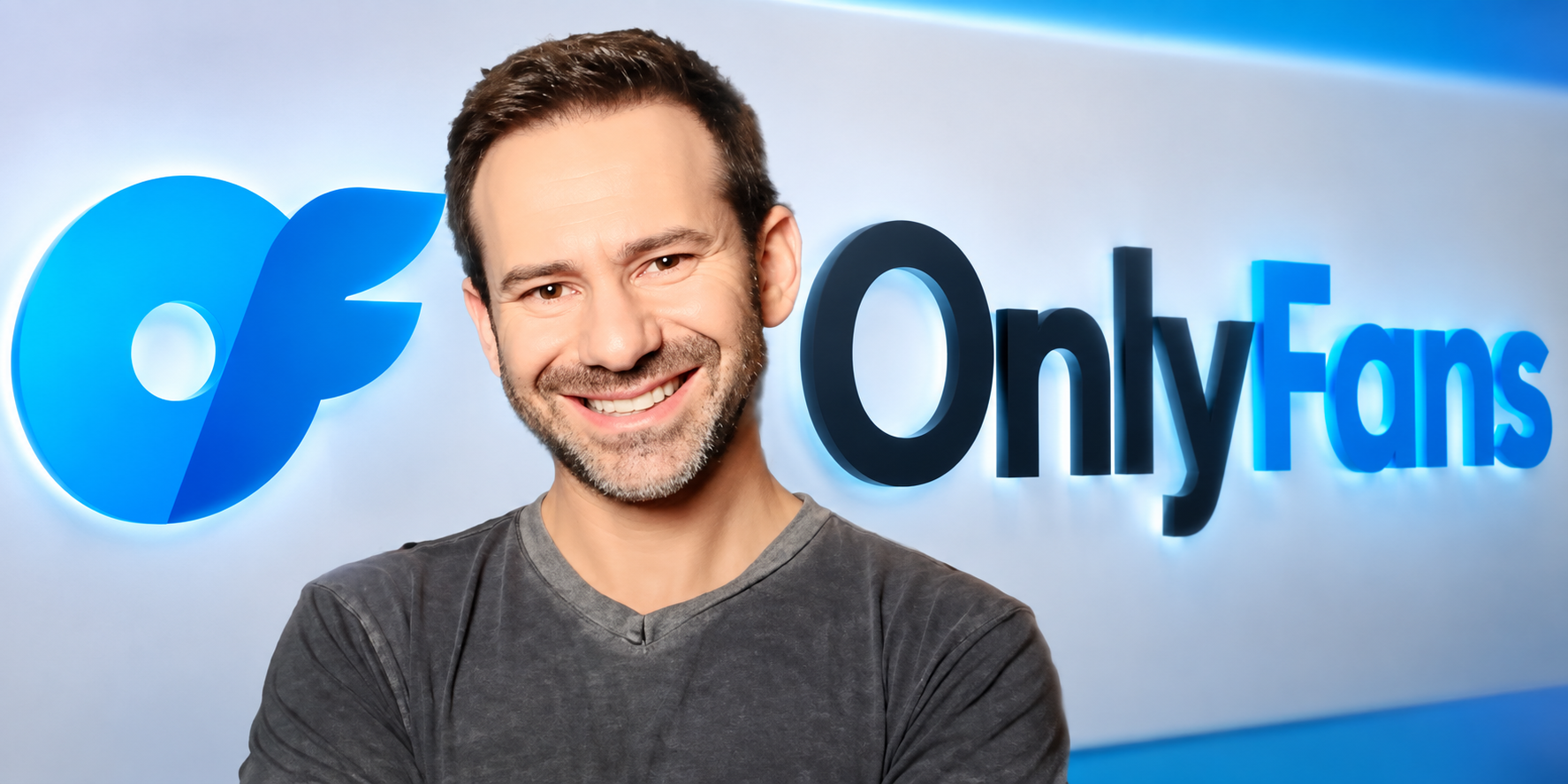
The Ukrainian-American entrepreneur passed away at age 43 following a private battle with cancer. Months earlier, he had received more than $709 million in dividends from Fenix International, the parent company of OnlyFans, a platform with $1.55 billion in revenue, 4.6 million creators, and 377.5 million fan accounts.
The man no one saw behind the internet's biggest phenomenon
Leonid Radvinsky died on March 23, 2026, at the age of 43, following a battle with cancer that he kept strictly private. News of his passing emerged almost without a sound, consistent with an entire lifetime dedicated to building in silence: he granted no interviews, made no conference appearances, and the photographs of him in circulation can be counted on the fingers of one hand.
That extremely low profile contrasts with the scale of what he managed. Radvinsky was the owner of Fenix International Limited, the British company that owns OnlyFans, the platform that redefined the creator economy and today moves billions of dollars a year among millions of people across the globe.
Born in Ukraine and raised in the United States, Radvinsky was forged in the first generation of digital entrepreneurs: early coding, online businesses from his teenage years, and a razor-sharp intuition for detecting where the friction lay between those who create content and those who want to pay for it. That intuition, far more than any stroke of luck, explains his trajectory.
$709 million in dividends, months before dying
Fenix International's annual accounts filed in the United Kingdom and published on August 25, 2026, revealed the scale of the business. In the fiscal year ended November 30, 2025, Radvinsky received $535 million in dividends. Between December and March 26, 2026, four additional tranches totaling a further $174 million were paid: a total of nearly $709 million in just a few months.
In that same fiscal year, Fenix generated approximately $1.55 billion in net revenue—10% more than the previous year—and achieved a pre-tax profit of approximately $715 million, 5% higher than in 2024. Since 2021, the cumulative dividends received by Radvinsky have totaled around $2.5 billion.
The figure that most impresses any analyst is the operational efficiency: the company closed the fiscal year with just 47 direct employees. To put this in perspective, a British retail chain like Marks & Spencer employs more than 65,000 people to generate comparable profit. Very few companies in history have achieved such profit per employee.
| Indicador | Cifra | Variación | Fuente |
|---|---|---|---|
| Ingresos netos FY2025 | ≈ US$1.550 millones | +10% interanual | Fenix International / FT |
| Beneficio antes de impuestos | ≈ US$715 millones | +5% interanual | Fenix International / BBC |
| Dividendos FY2025 | US$535 millones | vs. US$497 M en 2024 | Companies House |
| Dividendos dic-2025 a mar-2026 | US$174 millones | 4 tramos | Companies House |
| Pagos brutos de fans (2024) | US$7.220 millones | +9% interanual | Cuentas auditadas |
| Pagado a creadores (2024) | ≈ US$5.800 millones | 80% del bruto | Cuentas auditadas |
| Cuentas de creadores | 4,63 millones | +13% interanual | Cuentas auditadas |
| Cuentas de seguidores | 377,5 millones | +24% interanual | Cuentas auditadas |
| Empleados directos | 47 | — | Fenix International |
From a London flat to the platform that changed the creator economy
OnlyFans was born in London in 2016 at the hands of British entrepreneur Tim Stokely. The idea was disarmingly simple and profoundly disruptive: to allow any creator to charge their audience directly through monthly subscriptions, tips, and paid content, without intermediaries, without record labels, without production companies, and without depending on the whim of an advertising algorithm.
In 2018, Radvinsky acquired a majority stake through Fenix International and provided what the project lacked: robust payment infrastructure, regulatory compliance, fraud control, and an obsessive financial discipline. Under his ownership, the platform went from 348,000 creator accounts in 2019 to 4.63 million in 2024, a thirteenfold growth in five years.
The pandemic accelerated the phenomenon, but it does not fully explain it. What sustained the growth was a clean and verifiable business model: the creator keeps 80% of what they receive and the platform keeps 20%. No hidden fees, no advertising auctions, no dependence on organic reach. In 2024, OnlyFans transferred around 5.8 billion dollars to its creators.
Much More Than an Adult Platform
OnlyFans is best known for adult content, and its contribution in that field was remarkable: it professionalized a historically precarious sector, allowed independent workers to be paid directly, control their production, and build their own businesses with clear rules and punctual payments. It is difficult to find another tech company that has transferred so much money, so directly, to individual creators.
However, the platform also hosts musicians, chefs, personal trainers, comedians, visual artists, and athletes. OFTV, its free, safe-for-work service, expanded that offering. Figures from boxing, professional wrestling, and music have used the channel to monetize loyal communities without giving up margin to third parties.
Another feature that distinguishes OnlyFans is its financial transparency. Since its parent company is registered in the United Kingdom, its accounts are audited and publicly available on Companies House. Very few platforms in the creator economy allow their figures to be verified with such precision, and that standard of accountability is, in itself, a reputational asset.
The Radvinsky style: radical privacy and absolute focus
Radvinsky took discretion to the extreme. He did not use his wealth to amass a public presence or media influence. His life unfolded between Florida and discreet offices, and his name only appeared in corporate registries and accounting filings.
That privacy was not disinterest. Those who worked closely with him describe him as an extremely analytical operator, obsessed with retention, payment processing costs, fraud prevention, and infrastructure stability. Maintaining 47 employees managing 377.5 million accounts requires a technological architecture and automated processes of exceptional quality.
He also allocated part of his fortune to philanthropy, especially in educational and open-source software causes, always without publicity. His widow, the lawyer and philanthropist Yekaterina "Katie" Chudnovsky, has been the visible face of that facet.
What happens to OnlyFans now?
The question that millions of creators asked themselves on the day of the announcement has a more reassuring answer than the headline suggests: ownership was transferred to a family trust controlled by his widow, and daily operations remain in the hands of the management team led by its CEO, Keily Blair.
In April 2026, San Francisco investment firm Architect Capital acquired a stake of nearly 16% for around 535 million dollars, a transaction that implies an approximate valuation of 3.2 billion for the overall business. The arrival of an institutional investor brings governance, reporting discipline, and a clear signal of continuity.
Nothing indicates that creator payouts, the 80/20 split, or content policies will change. The most talked-about scenario in the City is an eventual IPO or an orderly sale in the coming years, which would allow the trust to monetize the asset without destabilizing the platform. For creators, the critical variable is not who signs off on dividends, but that the payout system continues to operate with the same punctuality as always.
The lesson for any digital entrepreneur
The Radvinsky case leaves a lesson that transcends the adult entertainment industry: value does not lie in the content, but in the infrastructure that monetizes it. OnlyFans does not produce a single piece of content; it builds the plumbing through which money flows and charges a 20% cut for keeping it running seamlessly.
That is precisely the type of architecture we design at Geniales.co for companies across any industry: subscription platforms, payment gateways, real-time analytics dashboards, and artificial intelligence automation, built with React 19, TypeScript, TanStack, and PostgreSQL on scalable infrastructure. A well-engineered business model multiplies margins without multiplying headcount.
Radvinsky died at the peak of his financial power, having never granted a single interview. He leaves behind a profitable, audited company, with nearly 5 million creators earning their living wholly or partially from it, and an uncomfortable lesson for those who mistake notoriety for success.
Enlaces
Get KingNews in your inbox
Tech and gaming digest, no noise. Unsubscribe anytime.
Want to send us a news story?
Tell us your story. Our editorial team reviews it and gets back to you.
Would you like to advertise with us?
Write to us and we'll send you ad options and audience data.
More stories

Comercio electrónico · Eventos · Colombia
Feria Effix 2026: Medellín se convierte en la capital del comercio electrónico
Robótica · Inteligencia artificial · Sistemas autónomos
La colmena blindada: robots terrestres que podrían comandar enjambres de drones

Agrotecnología · Inteligencia artificial · Ganadería
La granja autónoma toma forma: IA, drones y robots llegan al campo

Inteligencia artificial · Empresas · Opinión
BMW adelgaza su dirección con IA: ¿ha llegado la hora del gerente artificial supervisado?

Inteligencia física · Agricultura · Robótica industrial
Polybot enseña a un robot a cosechar tomates mirando cómo trabajan los humanos

Inteligencia física · Robótica · Aprendizaje autónomo