
Opinion
Humanizing digital transformation: what I learned speaking across Latin America
2026-07-26 · 9 min read
By Álvaro AbrilCEO · Geniales.co · CTO Koravox · VP Yamizu

The lady from the clothing store who was already doing e-commerce via WhatsApp without knowing it taught me more than five years of papers on digital transformation.
At a conference, a woman who owned a clothing store told me that digital transformation was not for her: she had no budget, no technical team, and did not understand technology.
I asked her: 'Do your customers write to you on WhatsApp to find out if you have a certain dress in a certain size?' 'Yes.' 'Do you take photos of the clothes and send them to them?' 'Yes.' 'And do they sometimes place their order there and come by to pick it up?' 'Yes.'
'Congratulations,' I told her. 'You are already doing digital transformation. It is just that nobody told you that also counts.' The audience applauded, and I learned more in those thirty seconds than in five years of reading papers on digital transformation.
Lessons from the Road
In Medellín, a textile entrepreneur had invested 200,000 dollars in an ERP that no one in his company used. The technology was perfect; the implementation was a disaster because no one asked the employees how they actually worked. They bought the tool before understanding the problem: that is mistake number one.
In Guatemala City, the artisans of the central market had built a WhatsApp distribution system more efficient than many e-commerce platforms with millions in investment: thematic groups, PDF catalogs, transfer payments, and deliveries coordinated by audio. No developer, no CTO, no venture capital.
In Bogotá, a logistics company implemented a progressive web app for its drivers and reduced delivery times by 40%. The technology was not revolutionary; what was revolutionary was that the drivers participated in the design. The app belonged to them emotionally.
In Lima, after a conference on business gamification, a group of public school teachers asked me if they could apply those techniques in their classrooms. Six months later, we were implementing gamified learning in schools where many children had never touched a computer.
Why storytelling sells more than code
Data convinces, but stories sell. I can show that a progressive web application reduces development costs by 60% compared to a native app. The data is correct, and the audience forgets it in 24 hours.
Or I can tell the story of the restaurant in Cartagena that, during the pandemic, set up QR-code ordering in three days, with no initial investment, and not only survived: it tripled sales because it handled home deliveries without paying commissions to delivery platforms. That story is remembered, told, and replicated.
Executives who hire consulting do not do so because they read our technical specifications. They do so because they see themselves reflected in the story of another company: they see their problem, they see the solution, they see the result.
The digital future of Latin America
I am extremely optimistic about the region, and not for technological but for human reasons. We have a culture of adaptability that Silicon Valley does not understand.
The lady in Guatemala did not need an MBA to sell on WhatsApp. Artisans did not need a CTO. Drivers in Bogotá designed a better user experience than many professionals because they understood the problem firsthand.
Latin America does not need to copy Silicon Valley: it needs to build its own model of innovation, based on solving real problems with limited resources in a creative way. Which is exactly what we have been doing our entire lives.
Human first, digital second
That is what I try to demonstrate with every talk, every project, and every line of code: technology works better when it is human first and digital second.
If you are interested in exploring how digital transformation can work in your company —regardless of its size— let's talk. The initial consultation is free, because the best investment I can make is to listen to your story before proposing any solution.
Enlaces
Get KingNews in your inbox
Tech and gaming digest, no noise. Unsubscribe anytime.
Want to send us a news story?
Tell us your story. Our editorial team reviews it and gets back to you.
Would you like to advertise with us?
Write to us and we'll send you ad options and audience data.
More stories

Comercio electrónico · Eventos · Colombia
Feria Effix 2026: Medellín se convierte en la capital del comercio electrónico
Robótica · Inteligencia artificial · Sistemas autónomos
La colmena blindada: robots terrestres que podrían comandar enjambres de drones
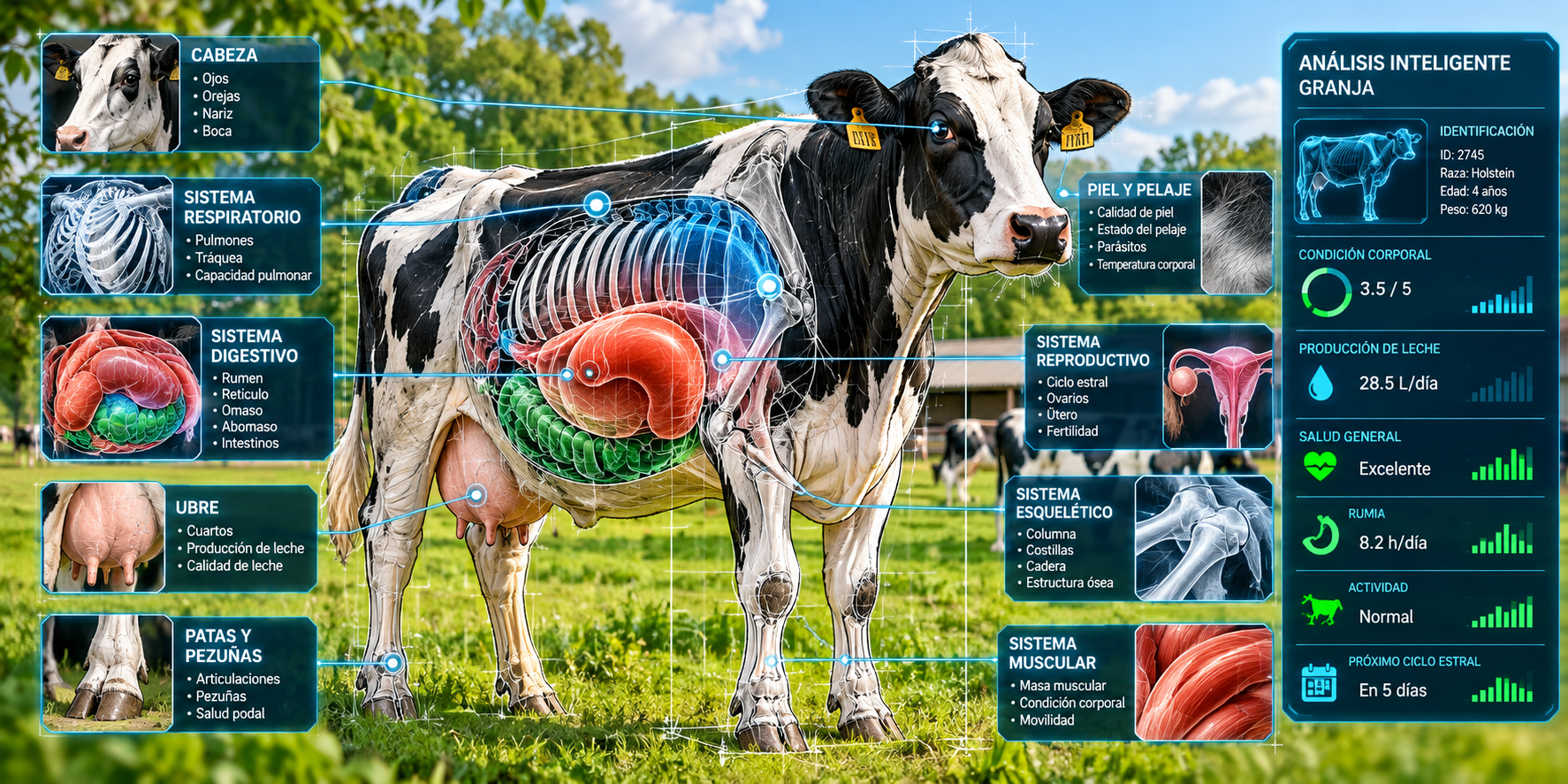
Agrotecnología · Inteligencia artificial · Ganadería
La granja autónoma toma forma: IA, drones y robots llegan al campo

Inteligencia artificial · Empresas · Opinión
BMW adelgaza su dirección con IA: ¿ha llegado la hora del gerente artificial supervisado?
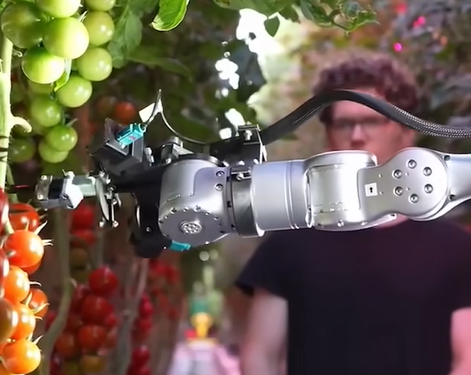
Inteligencia física · Agricultura · Robótica industrial
Polybot enseña a un robot a cosechar tomates mirando cómo trabajan los humanos
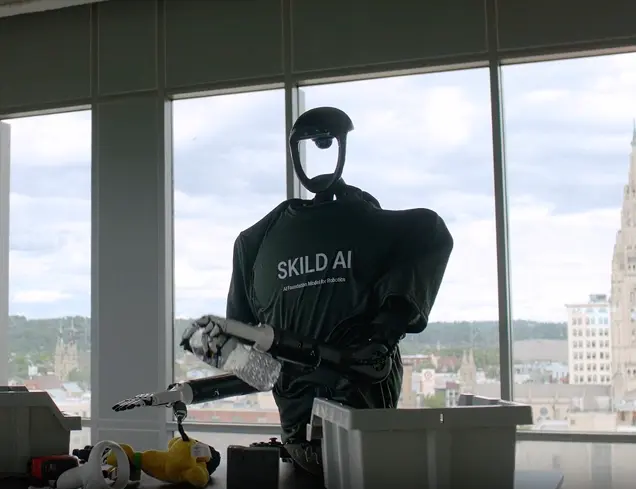
Inteligencia física · Robótica · Aprendizaje autónomo