
Gamification
GenerativeGames.online: Gamification as a service for brands that want attention, not clicks
2026-07-26 · 9 min read
By Álvaro AbrilCEO · Geniales.co

Nine game mechanics ready to be integrated into campaigns, internal training and loyalty programs, with AI-generated content and real-time metrics.
The problem with today's digital marketing is not a lack of channels, it is a lack of attention. A banner is ignored in 0.3 seconds. An email is archived unopened. A form is abandoned halfway through. But a game is over.
GenerativeGames.online starts from that simple observation: if people dedicate voluntary hours to game mechanics, those same mechanics can convey a promotion, training or loyalty program without it feeling like advertising.
Gamification as a Service
The model is gamification as a service: the brand does not build a game from scratch or hire a studio. You choose a mechanic from the catalog, configure it with your visual identity, define prizes and rules, and publish it as a web application accessible from any link, QR or campaign.
The result is an experience with the client's brand, hosted and maintained by the platform, measurable from the first minute and modifiable without rewriting code.
The nine core mechanics
Interactive stories where the user decides and the narrative is generated with AI. Promotional slots with configurable prizes and full control of probabilities. Tarot and oracles as a conversational brand experience. Trivia and quizzes with adaptive difficulty.
Digital roulettes and scratch cards for point of sale activations. Strategy and simulation games for corporate training. Challenges and missions by levels for loyalty programs. Creative generators where the user produces branded content. And competitions with leaderboards for communities.
Each mechanic shares the same infrastructure: configurable identity, rewards engine, analytics, and content generation layer.
Metrics that a banner does not provide
Being stateful experiences, each game leaves useful data: real interaction time, decisions made, abandonment points, declared preferences and contact data voluntarily given in exchange for value.
That difference is substantial. A traditional campaign measures impressions; a gamified campaign measures behavior. And behavior predicts conversion much better than exposure.
Real use cases
Retail: digital scratch cards in a physical store using QR, with controlled prize inventory and validation at checkout.
Internal training: decision simulators where the employee practices risk scenarios without real consequences, with reporting by competencies.
Loyalty: progressive missions that reward desired habits instead of just purchase volume.
Education: spaced repetition mechanics disguised as a game, an approach that in Latin American schools significantly improved content retention.
Frictionless technology
Everything works as a progressive web application. No downloads, no stores, no installation friction. A link is enough, and that link can be pasted on WhatsApp, in an email, on a packaging or on a billboard.
For the customer that means launching in days and measuring immediately, rather than waiting for multi-month native development cycles.
The underlying thesis
Gamification is not about putting a badge on a boring process. It is redesigning the process so that intrinsic motivation does the work that we do today with reminders and pressure.
When that is achieved, the brand stops interrupting to get attention: people seek it out. That's the business of GenerativeGames.online.
Enlaces
Get KingNews in your inbox
Tech and gaming digest, no noise. Unsubscribe anytime.
Want to send us a news story?
Tell us your story. Our editorial team reviews it and gets back to you.
Would you like to advertise with us?
Write to us and we'll send you ad options and audience data.
More stories
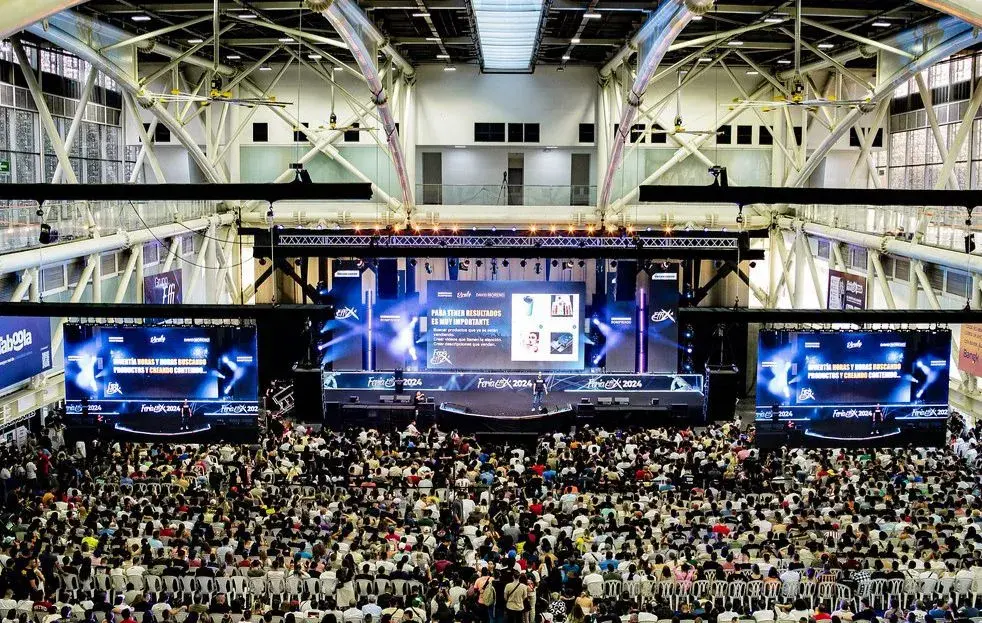
Comercio electrónico · Eventos · Colombia
Feria Effix 2026: Medellín se convierte en la capital del comercio electrónico
Robótica · Inteligencia artificial · Sistemas autónomos
La colmena blindada: robots terrestres que podrían comandar enjambres de drones
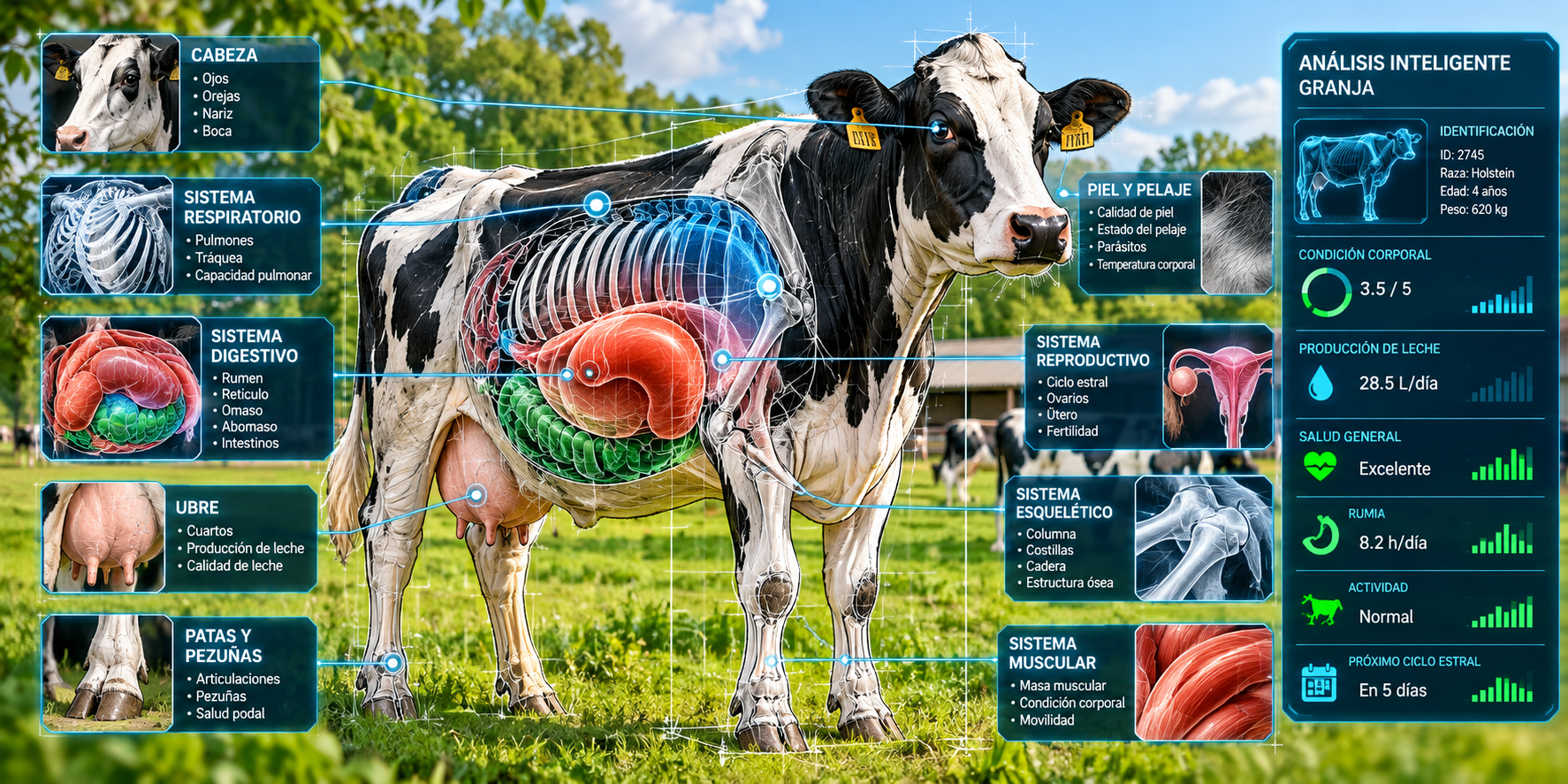
Agrotecnología · Inteligencia artificial · Ganadería
La granja autónoma toma forma: IA, drones y robots llegan al campo

Inteligencia artificial · Empresas · Opinión
BMW adelgaza su dirección con IA: ¿ha llegado la hora del gerente artificial supervisado?
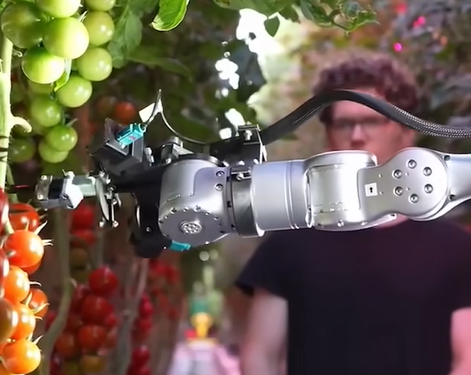
Inteligencia física · Agricultura · Robótica industrial
Polybot enseña a un robot a cosechar tomates mirando cómo trabajan los humanos

Inteligencia física · Robótica · Aprendizaje autónomo