
Technology
The "slot machine effect": why the infinite scroll of Shorts and Reels is redesigning your brain
2026-03-15 · 6 min read
By Redacción KingNews
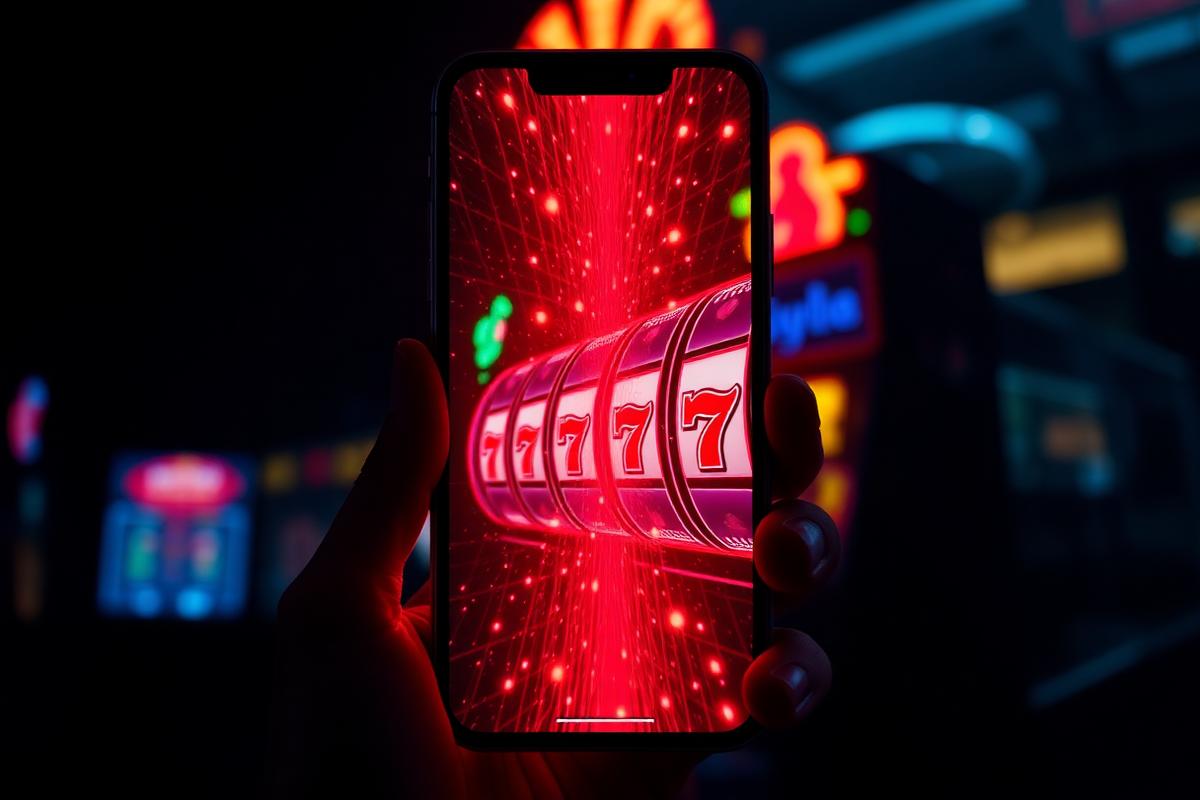
A study from Stanford and MIT concludes that short-form video uses the same neurobiological mechanisms as a slot machine.
The scene is repeated in any city: people immersed in an endless stream of fifteen-second videos, losing track of time. What seems like harmless entertainment is, in reality, a masterpiece of behavioral engineering. According to the study "The Slot Machine Effect in Short-Form Video" (2026), conducted jointly by Stanford University and MIT, the algorithm of platforms like TikTok, Instagram Reels, and YouTube Shorts precisely replicates the variable reward system.
In neuroscience, variable reward is the engine of addiction. Just like in a slot machine, where you do not know if the next spin will pay off or not, swiping down offers a dopaminergic uncertainty. While 90% of the content may be irrelevant, that 10% that surprises releases a dopamine spike so powerful that it forces the brain to keep searching for the next visual victory.
Hard Data: The Anatomy of Dependence
The study analyzed the behavior of 50,000 users in five countries, and its conclusions are uncomfortable for the industry.
The three-second loop: an average user decides if a video interests them in less than 1.8 seconds. This pace of micro-decisions depletes the prefrontal cortex, the area responsible for impulse control.
Loss of the natural stopping point: unlike a book with chapters or a series with episodes, short-form video has no end. The absence of stopping cues increases session time by 140% compared to long-form formats.
Impact on memory: participants showed a 22% reduction in short-term information retention after just 30 minutes of consumption. The brain becomes accustomed to discarding information at a frantic pace.
Short-form video versus slot machines
The parallel is almost point-for-point. Where the machine has a lever or a button, the application has the swipe of a finger. Where the machine delivers money on a variable basis, the app delivers equally variable dopamine and entertainment.
The visual reinforcement also matches: bright lights and colors on the cabinet, saturated filters and quick cuts in the feed. The decisive difference lies in the stopping point: in the casino, the money runs out; in the scroll, it simply does not exist.
The final neurological effect differs in form but not in substance: anxiety over the next spin in one case, brain fog and decision fatigue in the other.
The industry and regulatory response
Regulatory pressure in the European Union and in some states of Mexico has begun to demand biological brakes. An obligatory 30-second pause after every 15 minutes of uninterrupted scrolling is being discussed.
Platforms defend themselves by arguing that they already offer digital well-being tools, but the MIT report is unequivocal: these tools are optional and designed to be ignored. The application's architecture always prioritizes retention, because in the attention economy, every second of scrolling translates into advertising impressions and behavioral data processed by AI.
Regaining Control
It is not a lack of willpower: it is a systematic assault on the neurobiological system. If you feel that hours slip away while watching short videos, it is because technology is winning the battle against your prefrontal cortex.
The practical recommendation involves setting time limits at the operating system level, both in iOS and Android, and configuring them to be difficult to bypass: delegated password locks, limits by application category, and grayscale mode during night hours. Regaining attention before the algorithm decides what should matter to us for the next fifteen seconds.
Get KingNews in your inbox
Tech and gaming digest, no noise. Unsubscribe anytime.
Want to send us a news story?
Tell us your story. Our editorial team reviews it and gets back to you.
Would you like to advertise with us?
Write to us and we'll send you ad options and audience data.
More stories

Comercio electrónico · Eventos · Colombia
Feria Effix 2026: Medellín se convierte en la capital del comercio electrónico
Robótica · Inteligencia artificial · Sistemas autónomos
La colmena blindada: robots terrestres que podrían comandar enjambres de drones
Agrotecnología · Inteligencia artificial · Ganadería
La granja autónoma toma forma: IA, drones y robots llegan al campo

Inteligencia artificial · Empresas · Opinión
BMW adelgaza su dirección con IA: ¿ha llegado la hora del gerente artificial supervisado?
Inteligencia física · Agricultura · Robótica industrial
Polybot enseña a un robot a cosechar tomates mirando cómo trabajan los humanos
Inteligencia física · Robótica · Aprendizaje autónomo