Markets
Monarch Casino & Resort: Cash Flow Makes It Cheap, Multiples Make It Expensive
2026-07-26 · 5 min read
By Redacción KingNews

MCRI's stock has accumulated 109.9% over five years. Discounted cash flow points to an intrinsic value of US$183 per share, 34.8% above its current price, but the P/E ratio says otherwise.
Monarch Casino & Resort (NasdaqGS: MCRI) has more than doubled its investors' money over the last five years, with a return of 109.9% over five years and 15.9% over the last twelve months. This trajectory puts the focus on an uncomfortable question: are the gains still backed by fundamentals?
The answer depends on the tool used. Across six valuation checks, the company appears undervalued in four. It is a mixed picture, neither an obvious bargain nor a clear overvaluation.
Is it a cash flow bargain?
The discounted cash flow model starts with a free cash flow of about US$134.1 million over the last twelve months, assumes it continues to grow, and projects it in two stages before discounting it to today.
With those assumptions, the DCF places the intrinsic value at around US$183 per share, above the current share price, implying a 34.8% undervaluation. The record results of the second quarter of 2026 and the declared dividend help explain why the model feels comfortable with cash generation, even if the price does not fully reflect it.
Is it expensive based on earnings?
The P/E ratio is the standard metric for an established hotel company. MCRI trades at around 18.7 times earnings, below the hospitality sector average (23.4x) and its peer group (29.2x).
However, the fair P/E ratio that would reflect its specific mix of growth, profitability, size, and risk is estimated at around 15.7 times. This is significantly lower than the current 18.7x: under this framework, the stock prices in a richer multiple than its earnings profile would justify, even though it may seem cheap compared to its peers.
The conclusion
The DCF points to an intrinsic value above the price; the P/E ratio portrays an expensive stock relative to its earnings profile. The gap comes down to how future cash generation is weighed against what the market already assumes in growth and risk.
The key lies in whether Monarch can sustain those cash flows and capital allocation discipline—including its acquisition ambitions—without the earnings multiple having to stretch much further from here.
This analysis is general in nature, based on historical data and analyst forecasts, and does not constitute a recommendation to buy or sell.
Get KingNews in your inbox
Tech and gaming digest, no noise. Unsubscribe anytime.
Want to send us a news story?
Tell us your story. Our editorial team reviews it and gets back to you.
Would you like to advertise with us?
Write to us and we'll send you ad options and audience data.
More stories

Comercio electrónico · Eventos · Colombia
Feria Effix 2026: Medellín se convierte en la capital del comercio electrónico
Robótica · Inteligencia artificial · Sistemas autónomos
La colmena blindada: robots terrestres que podrían comandar enjambres de drones
Agrotecnología · Inteligencia artificial · Ganadería
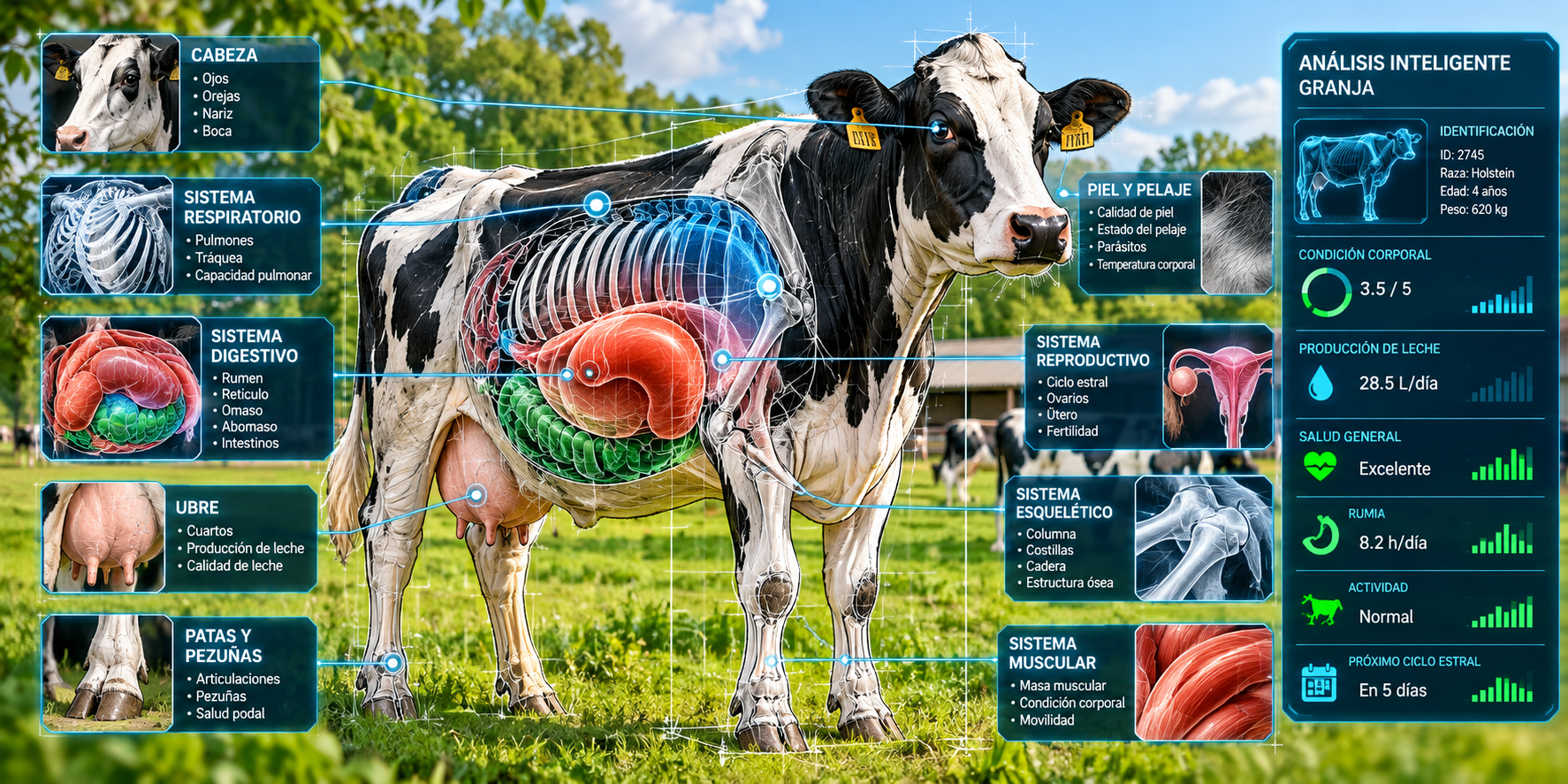
La granja autónoma toma forma: IA, drones y robots llegan al campo

Inteligencia artificial · Empresas · Opinión
BMW adelgaza su dirección con IA: ¿ha llegado la hora del gerente artificial supervisado?
Inteligencia física · Agricultura · Robótica industrial
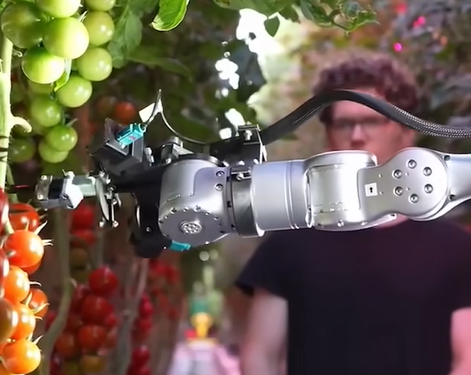
Polybot enseña a un robot a cosechar tomates mirando cómo trabajan los humanos

Inteligencia física · Robótica · Aprendizaje autónomo