
Technology
20 characters versus 115: the language that says the same with half the ink
2026-07-30 · 12 min read
By Álvaro AbrilCEO · Geniales.co · KingNews.online

The same sentence translated into 20 languages reveals a staggering difference in length: 20 characters in Chinese compared to 115 in Dutch. But comprehension time barely changes. This is what is happening underneath.
I wrote a single sentence and made it travel through twenty languages: 'We human beings are sparks of a creator God and we must honor Him with impeccable ethics.' The idea does not change. What changes—and scandalously so—is how much space each language needs to support it.
In Chinese, it fits in twenty characters. In Dutch, one hundred and fifteen are needed. Almost six times more written surface to convey the same thought. When one works designing interfaces, headlines, subheadings, or multilingual campaigns, that piece of information ceases to be a curiosity and becomes an engineering constraint.
The same idea, twenty different measurements
The count includes spaces and punctuation. It is ordered from the most compact version to the most extensive.
| # | Idioma | Caracteres | Traducción |
|---|---|---|---|
| 1 | Chino | 20 | 人类是造物主的火花,应以完美伦理敬神。 |
| 2 | Japonés | 31 | 人は創造主の火花であり、完全な倫理で神を敬うべきだ。 |
| 3 | Coreano | 39 | 인간은 창조주의 불꽃이며 완전한 윤리로 그분을 공경해야 한다. |
| 4 | Hebreo | 45 | אנו ניצוצות של האל הבורא ועלינו לכבדו במוסר ללא דופי. |
| 5 | Árabe | 58 | نحن شرارات من الإله الخالق ويجب أن نكرمه بأخلاق لا تشوبها شائبة. |
| 6 | Griego | 65 | Είμαστε σπίθες του Δημιουργού και πρέπει να τον τιμούμε με άψογη ηθική. |
| 7 | Ruso | 67 | Мы — искры Творца и должны чтить Его безупречной нравственностью. |
| 8 | Persa | 71 | ما جرقههایی از خدای آفرینندهایم و باید با اخلاقی بینقص او را گرامی بداریم. |
| 9 | Catalán | 77 | Som espurnes d'un Déu creador i l'hem d'honorar amb una ètica impecable. |
| 10 | Portugués | 81 | Somos centelhas de um Deus criador e devemos honrá-Lo com uma ética impecável. |
| 11 | Italiano | 83 | Siamo scintille di un Dio creatore e dobbiamo onorarlo con un'etica impeccabile. |
| 12 | Vasco | 86 | Gizakiok Jainko sortzailearen txinpartak gara eta etika bikainaz ohoratu behar dugu. |
| 13 | Español | 96 | Los seres humanos somos chispas de un Dios creador y debemos honrarlo con una ética impecable. |
| 14 | Inglés | 99 | Human beings are sparks of a Creator God, and we should honor Him through impeccable ethics. |
| 15 | Francés | 104 | Nous sommes des étincelles d'un Dieu créateur et devons l'honorer par une éthique irréprochable. |
| 16 | Alemán | 106 | Wir Menschen sind Funken eines schöpferischen Gottes und sollen ihn mit makelloser Ethik ehren. |
| 17 | Sueco | 108 | Vi människor är gnistor från en skapande Gud och bör hedra Honom med en oklanderlig etik. |
| 18 | Noruego | 110 | Vi mennesker er gnister fra en skapende Gud og bør ære Ham med en plettfri etikk. |
| 19 | Danés | 111 | Vi mennesker er gnister fra en skabende Gud og bør ære Ham med en uplettet etik. |
| 20 | Neerlandés | 115 | Wij mensen zijn vonken van een scheppende God en behoren Hem te eren met een onberispelijke ethiek. |
Why Chinese wins by a landslide
Each Chinese character usually carries a complete concept, whereas a Western word needs between five and ten letters to exist. The difference is best seen in miniature: 火 is fire, 花 is flower, and together—火花—they mean spark. Two symbols versus six letters in Spanish and seven in German.
The same goes for the core words of a message: 'Dios' occupies four letters in Spanish and a single character in Chinese, 神. Multiplied by an entire sentence, the savings become structural. That is why Chinese newspaper headlines fit into half the space of their European equivalents, and why Chinese is one of the most compact writing systems in existence.
The other extreme: German, Basque and the Nordic languages
German constructs long and extremely specific words: it prefers an exact compound over three approximate words. This precision is paid for in characters, and that is why it almost always takes up more space than English or Spanish.
Basque is even more surprising. Its system of cases and grammatical endings adds material to each word —Gizakiok, sortzailearen, txinpartak—, so that the same idea needs more space than in any neighboring Romance language.
The Nordic languages close the table for a different reason: Swedish, Norwegian, Danish and Dutch combine articles, prepositions and auxiliaries that Chinese simply does not write.
Is a shorter language read faster?
Here is the twist. Psycholinguistics shows that a Chinese reader captures a lot of information in a single visual fixation, because each character is a rich semantic unit. The reader of an alphabetic language must scan more letters to obtain the same.
But when the actual time it takes each native reader to comprehend the full message is measured, the differences shrink until they almost disappear. Dense characters demand more visual processing per symbol; letters are trivial to recognize, but many more must be read. One system compensates for the other.
Put another way: the amount of information understood per second is surprisingly similar among speakers of very different languages. Written length is not the speed of communication.
What this means if you design for the world
There are two coexisting evolutionary strategies. High graphical density—Chinese and Japanese—concentrates meaning in a few symbols. High alphabetic sequentiality—Spanish, English, French, German—distributes it across many simple units. Neither is superior: they are different solutions to the same problem, and both work.
For anyone building products, the practical effect is concrete: a button that fits in Chinese bursts in German, a comfortable subtitle in Spanish overflows in Dutch, and a campaign designed in English needs a typographic redesign when entering Asia. The rule I use: design with the longest language in the catalog and let the compact ones breathe.
The underlying lesson seems more beautiful to me than the data: twenty cultures solved the same challenge—putting an entire idea into the head of another human being—through completely different paths, and arrived at an equivalent efficiency. Writing changes. The speed of thought, not so much.
| Idioma | ¿Qué lo hace especial? | Estado actual |
|---|---|---|
| Sánscrito | Gramática extraordinariamente sistemática descrita por Pāṇini hace más de 2.300 años; enorme precisión para filosofía y ciencia. | Ya no tiene hablantes nativos significativos; se conserva como lengua litúrgica y académica. |
| Latín | Gran precisión gramatical gracias a su sistema de casos; influyó en gran parte de Europa. | Lengua muerta, utilizada en ámbitos académicos y religiosos. |
| Griego clásico | Vocabulario muy rico para filosofía, matemáticas y lógica. | Desapareció como lengua hablada; evolucionó al griego moderno. |
| Ainu (Japón) | Estructura muy distinta a las lenguas vecinas; gran riqueza cultural. | En peligro crítico. |
| Lívon (Letonia) | Antigua lengua fino-úgrica con rasgos únicos. | Prácticamente extinguida como lengua materna. |
| Manés (Isla de Man) | Lengua celta recuperada tras extinguirse como lengua nativa. | Revitalización en marcha. |
| Córnico | Lengua celta del suroeste de Inglaterra. | Revitalizada, con pocos hablantes. |
| Yagán (Yámana) | Famosa por palabras muy específicas y expresivas. | Prácticamente extinta como lengua materna. |
| Nuu (Sudáfrica) | Posee numerosos consonantes de clic y una fonología excepcional. | En peligro por despoblación rural. |
| Akkadio | Lengua de Mesopotamia escrita en cuneiforme. | Extinta hace más de dos mil años. |
Enlaces
Get KingNews in your inbox
Tech and gaming digest, no noise. Unsubscribe anytime.
Want to send us a news story?
Tell us your story. Our editorial team reviews it and gets back to you.
Would you like to advertise with us?
Write to us and we'll send you ad options and audience data.
More stories

Inteligencia Artificial · Empresas
La ventaja no está en el agente: por qué las empresas que ganan con IA no son las que compran más modelos
Gaming · Proveedores
Grupo89.co: la empresa colombiana que abastece el piso de las salas de juego con máquinas slot, repuestos y servicio técnico

Casinos · Fusiones y adquisiciones
Primero Games se queda con la división de máquinas de Win Systems y entra a Latinoamérica por la puerta grande
Inteligencia Artificial · Empresas
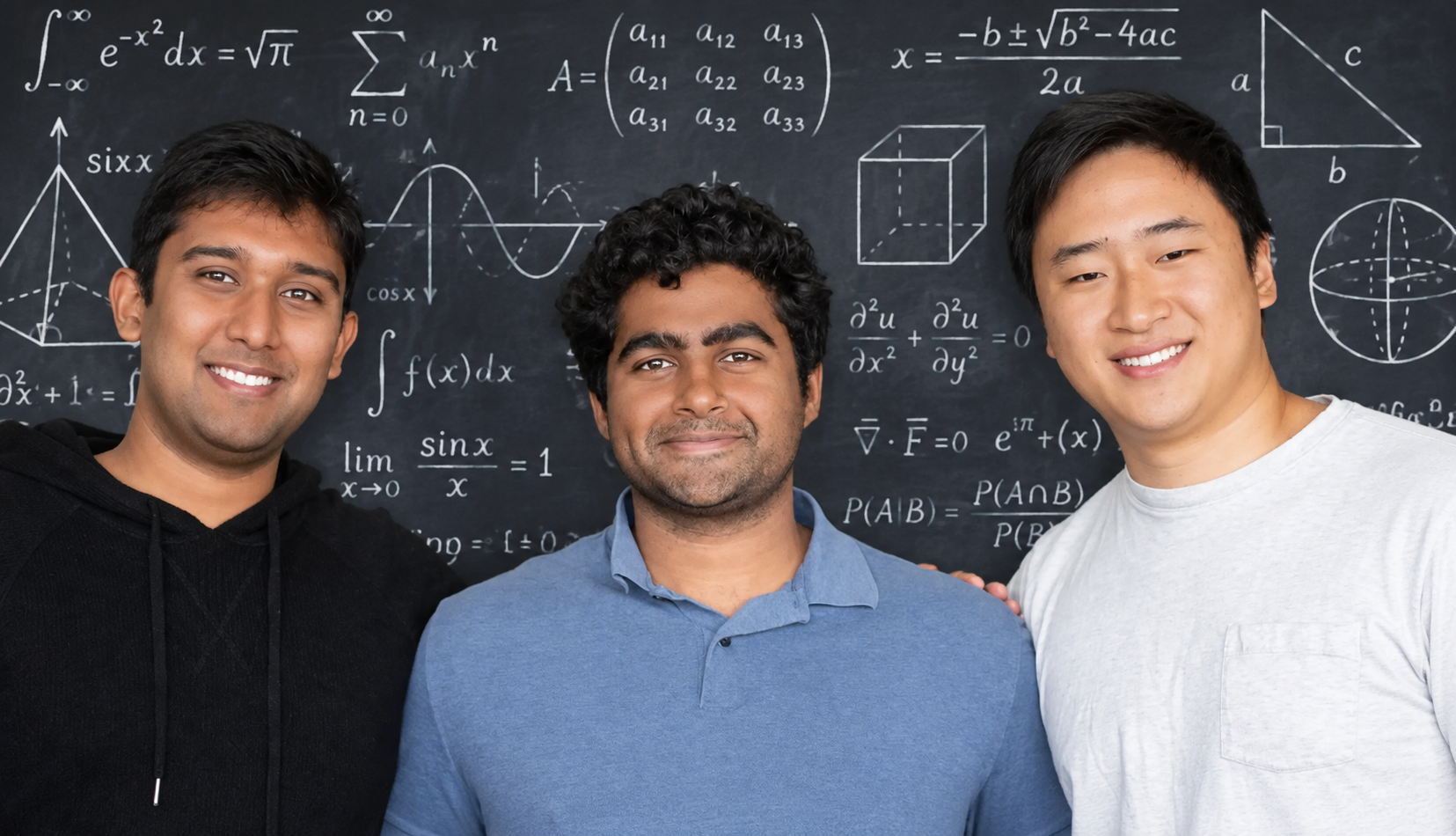
Tres ex-OpenAI construyen una IA para empresas y ya apuntan a valer US$3.250 millones

Consumo Masivo · Liderazgo
Andrés Mauricio Torres toma las riendas de Coca-Cola FEMSA Colombia: un estratega de marca vuelve a casa
Robótica · IA Encarnada