
Digital Payments · Biometrics
Alipay+ GlassPay: paying with a glance from smart glasses
2026-09-14 · 7 min read
By Álvaro AbrilCEO de Geniales.co · Director de KingNews.online
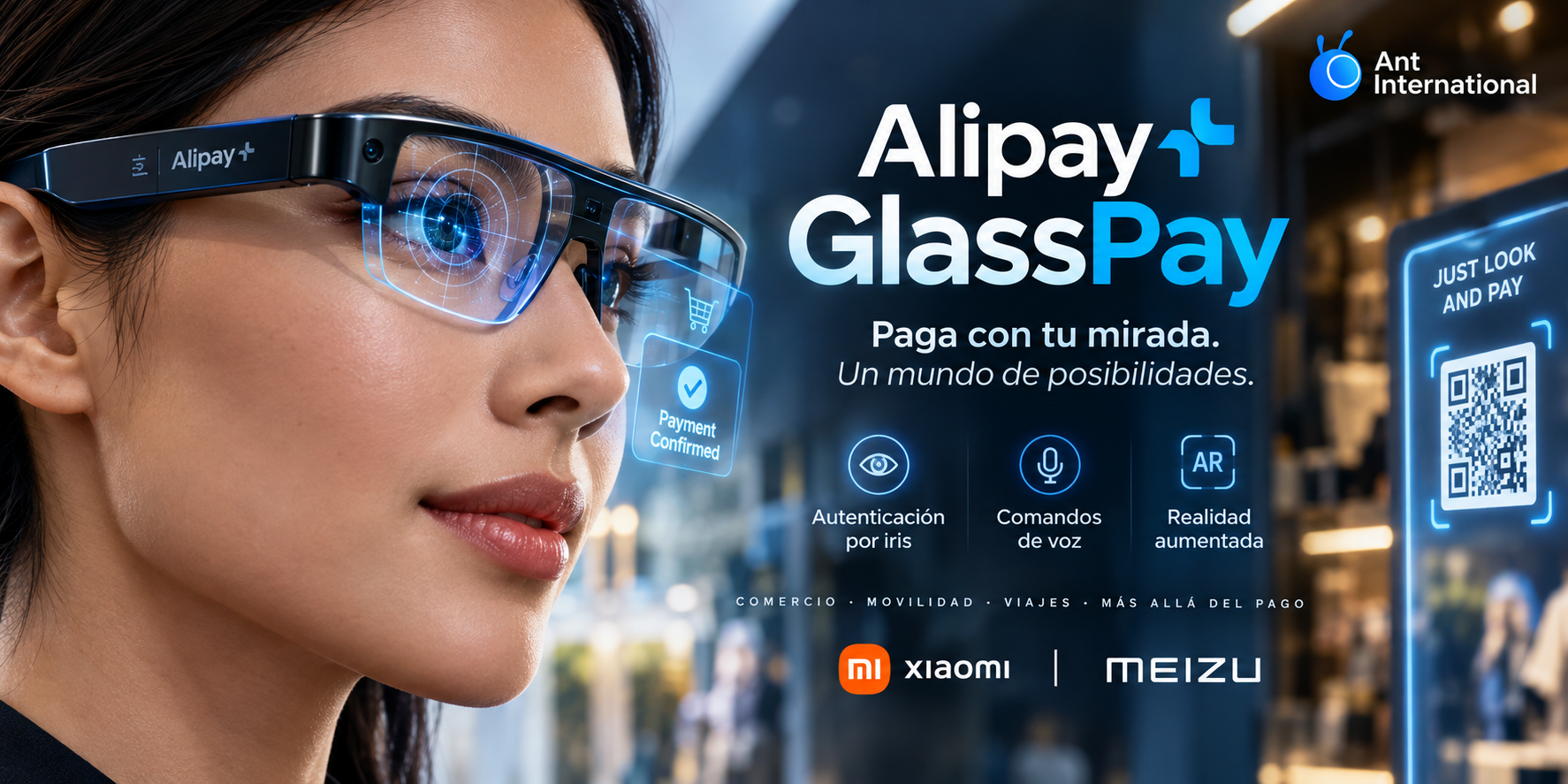
Ant International took digital payments beyond the phone. GlassPay integrates payments into augmented reality glasses and authenticates them via the iris: more than 260 biometric points, liveness detection against photos, videos, and 3D masks, and voice confirmation. Developed alongside manufacturers like Xiaomi and MEIZU on a network that already connects 1.8 billion accounts and around 100 million merchants.
Payment comes out of the pocket
Ant International, the company behind Alipay+, introduced Alipay+ GlassPay: a payment solution that no longer lives inside a mobile app, but inside augmented reality glasses. The combination is deliberate—artificial intelligence, biometrics, and augmented reality—and aims for a virtually contactless shopping experience.
The development was carried out in collaboration with smart glasses manufacturers such as Xiaomi and MEIZU, adding a new layer of security to GlassPay's existing capabilities: iris recognition.
The difference from previous attempts at wearable payments is fundamental. Here, it is not about replicating the phone on a smaller screen, but about eliminating the gesture of pulling out the phone.
A payment with a simple glance
The system analyzes more than 260 biometric iris points to verify the user's identity. Built upon that reading are artificial intelligence models and liveness detection technology designed to prevent spoofing attempts using photographs, videos, or 3D masks.
According to Ant International, the image processing algorithms make it possible to identify the user under different lighting conditions and without any type of physical contact.
Iris authentication does not replace what GlassPay already featured: it is added to voice recognition, voiceprint authentication, and AI-driven user intent identification. The result is a multi-layered verification chain executed in seconds.
In practice, the flow is as follows: the user scans a QR code with the glasses, states the amount by voice, and confirms with their biometric identity. The phone simply does not intervene.
| Capa | Función | Qué previene |
|---|---|---|
| Reconocimiento de iris | Más de 260 puntos biométricos | Suplantación de identidad |
| Detección de vida (liveness) | Distingue un ojo real de una reproducción | Fotos, videos y máscaras 3D |
| Huella vocal | Verifica al hablante, no solo la orden | Comandos grabados o imitados |
| Intención por IA | Confirma que el usuario quiere pagar | Activaciones accidentales |
More than a payment system
Ant International's bet goes beyond replacing the phone as a payment method. GlassPay seeks to turn smart glasses into a new interface for interacting with commerce and digital services, connecting the physical world with the digital.
An example: a person views a product, does a virtual try-on, checks overlaid information via augmented reality, and completes the purchase without leaving the experience. There is no switching screens or changing devices.
Mobility applications are also being considered—requesting a vehicle, selecting the pick-up point, confirming the ride, and receiving navigation directly on the glasses—. Alipay+ envisions future integrations for booking hotels, shopping, managing memberships, and tracking deliveries.
A new generation of commerce
For merchants, technology opens the door to much more seamless omnichannel experiences. A consumer could physically try a product in-store and immediately complete the purchase online, without friction between both channels.
This has concrete operational implications: it can reduce certain storage and logistics needs at the point of sale, while more closely integrating the physical and the digital.
The infrastructure matches the ambition. Alipay+ currently connects more than 1.8 billion user accounts, over 40 payment providers, and around 100 million merchants across more than 100 markets, according to figures from Ant International.
| Indicador | Escala actual |
|---|---|
| Cuentas de usuario conectadas | Más de 1.800 millones |
| Proveedores de pago integrados | Más de 40 |
| Comercios en la red | Cerca de 100 millones |
| Mercados con cobertura | Más de 100 |
The real change lies in the interface
More than a new way to pay, GlassPay represents a shift in how people could interact with digital services.
For more than a decade, the smartphone was the primary interface between people and the digital world. Smart glasses, artificial intelligence, augmented reality, and biometrics point to a different scenario: an interface that permanently accompanies the user and allows them to operate services without taking their phone out of their pocket.
In that scenario, paying could come down to three gestures: looking, speaking, and confirming.
And that is what is interesting about the Alipay+ GlassPay proposal. It is not just about making payments faster, but about making the technology required to carry them out increasingly less visible. The best interface, in the end, is the one no one notices.
Enlaces
Get KingNews in your inbox
Tech and gaming digest, no noise. Unsubscribe anytime.
Want to send us a news story?
Tell us your story. Our editorial team reviews it and gets back to you.
Would you like to advertise with us?
Write to us and we'll send you ad options and audience data.
More stories

Materiales · Industria textil
Del bambú a una camiseta suave: la transformación que no siempre nos cuentan
Aviación · Robótica
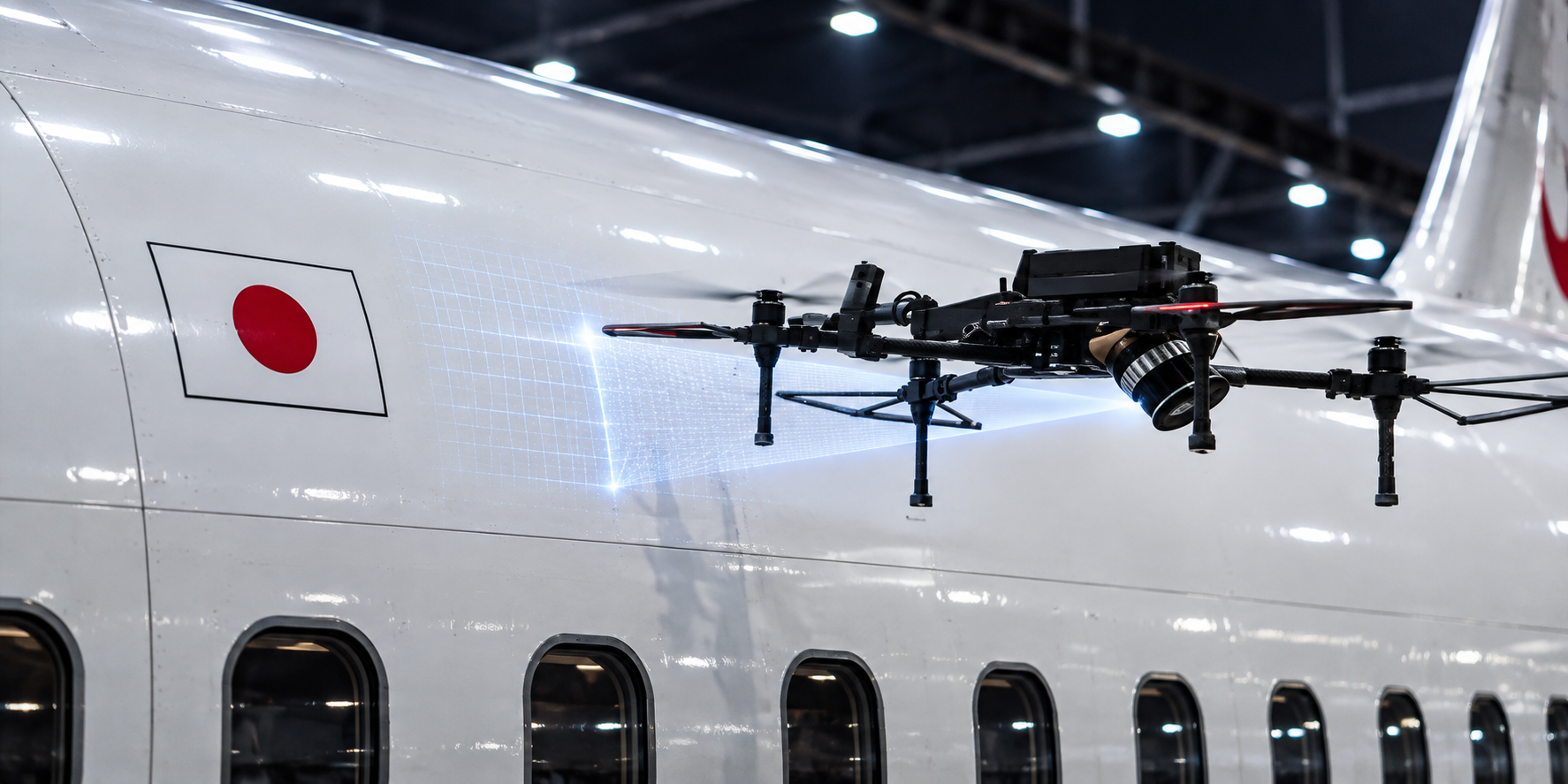
Japan Airlines pone ojos autónomos sobre sus aviones

Gaming · Guía de compra
Cómo elegir el monitor táctil correcto para una máquina de casino

Inteligencia Artificial · Empresas
La ventaja no está en el agente: por qué las empresas que ganan con IA no son las que compran más modelos
Gaming · Proveedores
Grupo89.co: la empresa colombiana que abastece el piso de las salas de juego con máquinas slot, repuestos y servicio técnico

Casinos · Fusiones y adquisiciones