
Macau · Policy and diversification
Macau's vision for the future: less casino in GDP, more international tourism, and administrative cuts
2026-08-23 · 7 min read
By Redacción KingNews
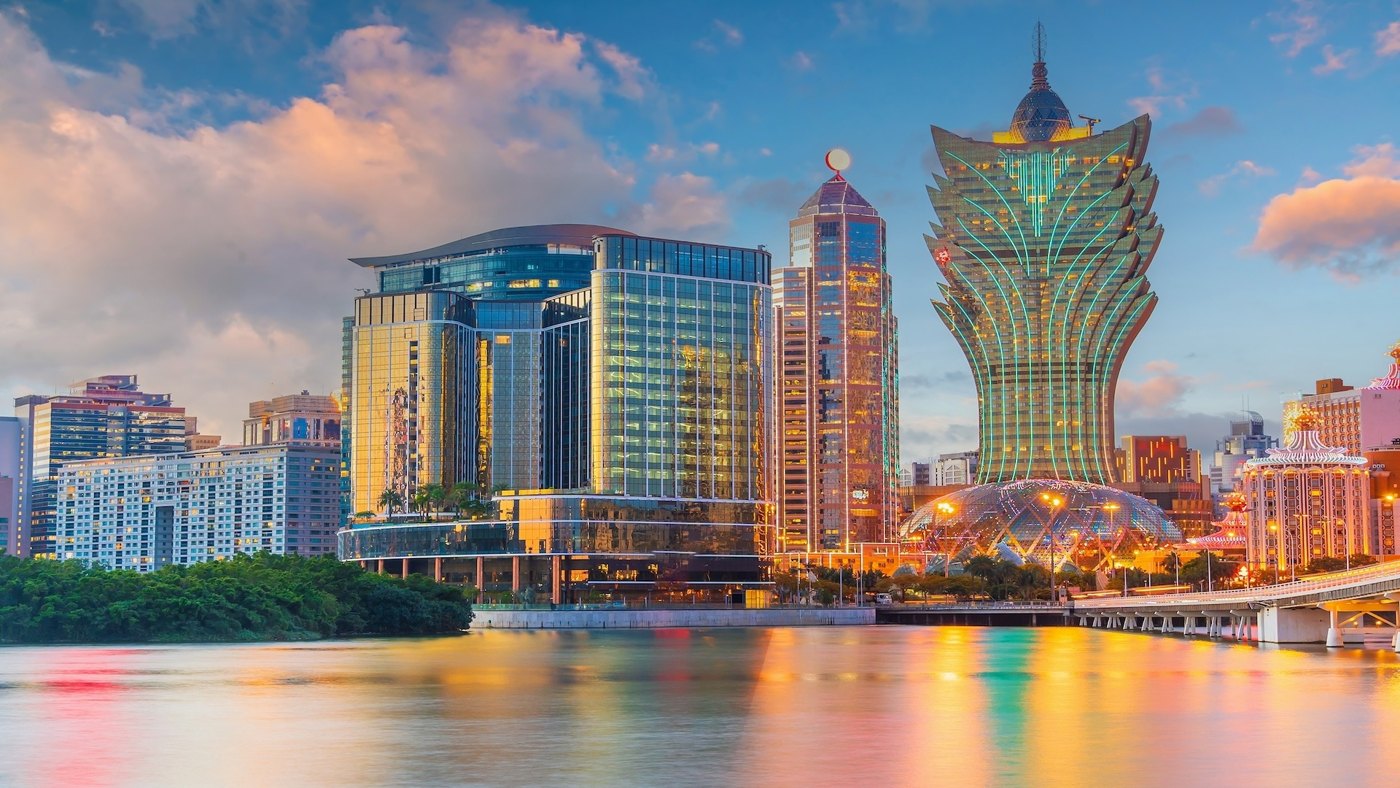
Sam Hou Fai's government sets a goal that sounds like heresy in the world's gambling capital: for 60% of the economy's added value to be non-gaming by 2030. Backed by public sector reform, the “1+4” model, and a 5% annual increase in international tourists.
A year and a half has passed since Macao's new government took office, led by Sam Hou Fai, until then President of the Court of Final Appeal. It is a detail worth keeping in mind: the person who today leads the city with the highest gaming revenue on the planet comes neither from business nor traditional politics, but from the judiciary.
His administration has encapsulated this ambition in four words that are already embedded in the five-year plan: building a Macao defined by “the rule of law, vitality, culture, and happiness.”
The question being asked on the streets of Macao is the same one anyone would ask: how does this macro-slogan translate into concrete policies, in the face of a cumbersome public administration and local neighborhood businesses struggling to stay afloat?
First front: streamlining the public apparatus
Under the umbrella of the “Rule of Law Macao,” public administration reform is the flagship policy. The government created a specific mechanism to “lead and coordinate administrative reform,” involving institutional restructuring, department mergers, and procedural re-engineering under a stated principle: simplifying and gaining efficiency.
The most symbolic case is the merger of the Legal Affairs Bureau with the Official Printing Bureau. Following the first phase, the structure went from “nine departments and fourteen divisions” to “five departments and four divisions,” and the management team was reduced from six members to three.
It is not merely a reduction in the organizational chart. It is the response to a long-standing complaint from residents: bureaucratic sluggishness. At the same time, the executive insists that the national security legal framework requires further optimization, presenting it as a cornerstone of governance and a driver of interdepartmental coordination.
The “1+4” model: the casino pays for the party, but is no longer the party
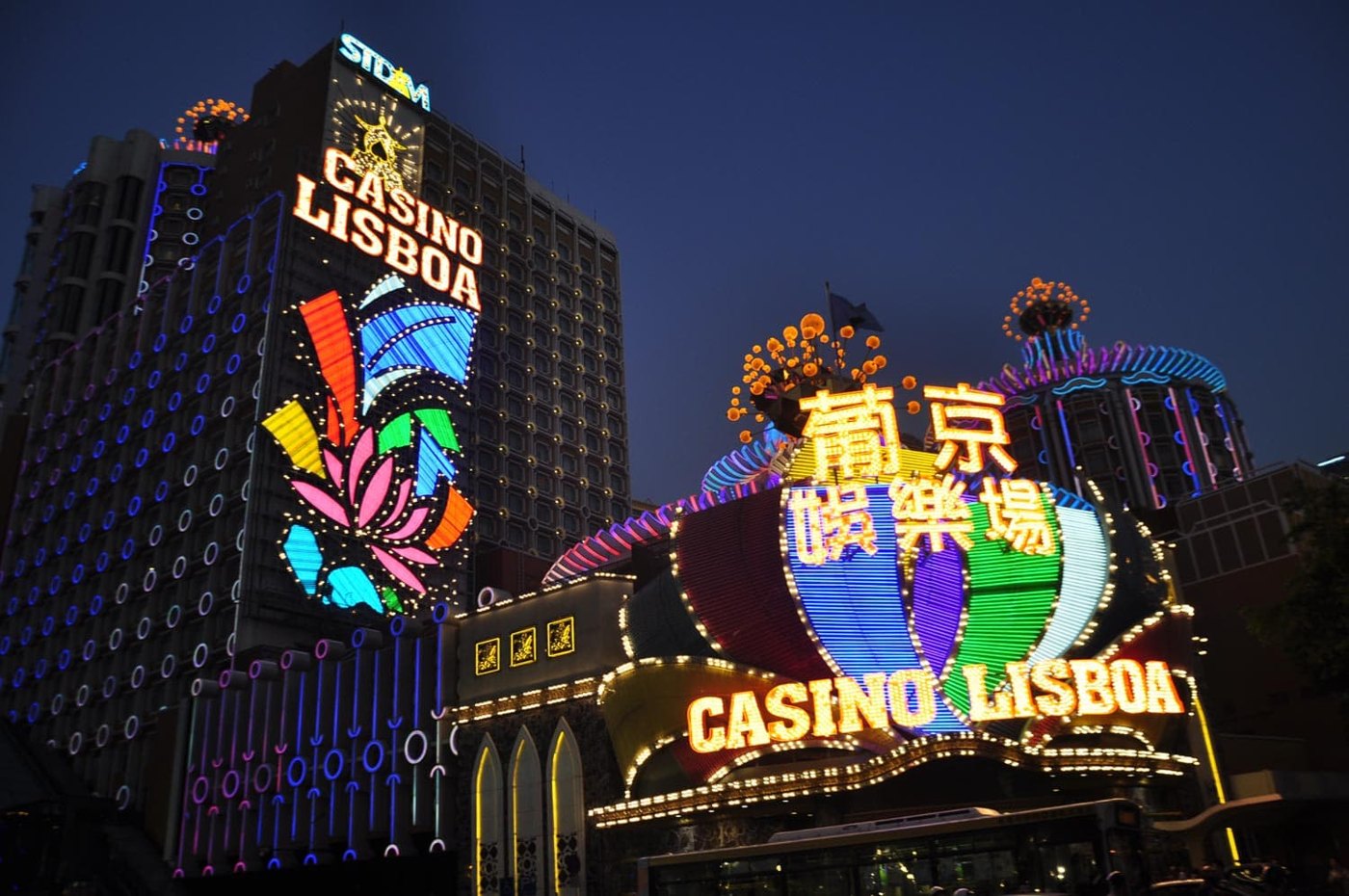
Macau maintains the economic development model known as “1+4”. The “1” is the integrated tourism and leisure industry—that is, the casino resort business—which remains the central pillar. The “4” are the emerging sectors that must grow in its shadow: traditional Chinese medicine and healthcare, modern finance, high-tech industries, and the conventions, exhibitions, commerce, culture, and sports sector.
The difference from the previous government lies in the tone. The administration of Sam Hou Fai has made it clear that the goal is no longer window-dressing diversification, but substantial and breakthrough progress in economic restructuring.
With the concessionaires, the stance is both more pragmatic and more demanding: the government pledges to ensure full compliance with their contractual obligations and investment commitments, both in gaming and non-gaming projects. There will be regular interdepartmental reviews evaluating each operator on its contribution to economic diversification, attracting international tourists, local employment, and support for SMEs.
And then there is the figure that sums up the entire strategy: the target that, by 2030, 60% of Macau’s economic added value will come from non-gaming activities. In the city that was synonymous with baccarat for two decades, that number is a massive statement of intent.
To finance it, the executive proposes a public boost fund to attract private capital into healthcare, niche finance, high technology, exhibitions, and culture, letting the market accelerate what the budget cannot.
| Eje del plan | Contenido | Meta declarada |
|---|---|---|
| Reforma administrativa | Fusiones de departamentos y reingeniería de procesos | De 9 departamentos y 14 divisiones a 5 y 4 |
| Modelo 1+4 | Turismo integrado + salud, finanzas, tecnología, MICE/cultura/deporte | 60% de valor añadido no-gaming en 2030 |
| Economía de barrio | Supervisión pública, inversión empresarial, planificación comunitaria | Zonas comerciales agrupadas y distritos temáticos |
| Turismo internacional | Sudeste y Nordeste Asiático, países lusófonos e hispanohablantes | +5% anual de visitantes internacionales 2026-2030 |
| Concesionarias | Revisión interdepartamental periódica | Cumplimiento de inversión gaming y no-gaming |
The weak spot: neighborhood commerce fails to rebound
While macro indicators improve, the community economy remains the major problem in daily life. Following the full reopening of borders, local consumption integrated with the mainland market: Macau residents cross over and spend in Zhuhai, and traditional commercial districts have lost their momentum.
The previous government attempted to revitalize old neighborhoods with short-lived results. The current administration openly acknowledges that one-off festive events and temporary stimuli do not fix a structural weakness.
Its alternative is a tripartite model: government supervision and coordination, resource provision by enterprises, and planning from civil society itself. Specific measures include the coordinated development of clustered commercial zones, the creation of themed consumer districts, and an ecosystem where “large enterprises empower small businesses.”
International tourism: the new goal is for visitors not to be Chinese
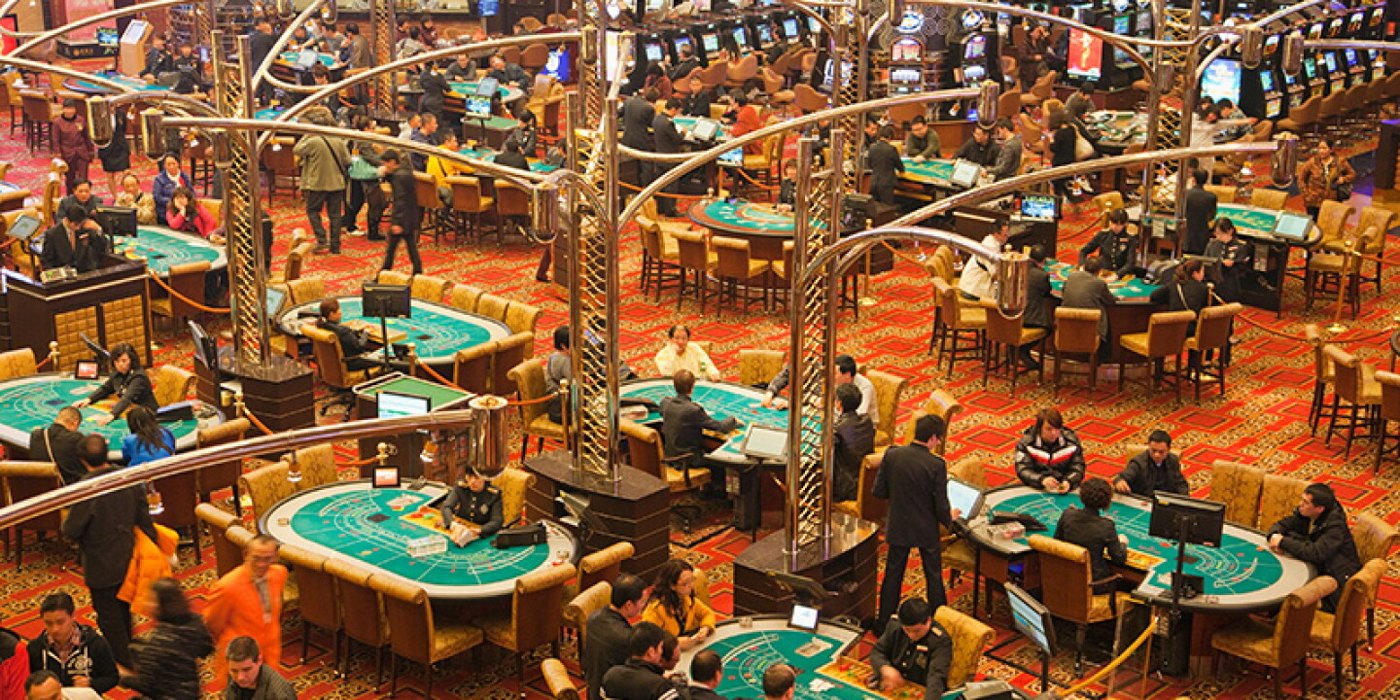
The government reiterates that international tourism is a vital pillar for the future of Macao. It has identified Southeast Asia and Northeast Asia as priority source markets, and is working to expand visitor arrivals from Portuguese-speaking countries, Spanish-speaking regions, Europe, the Americas, and Muslim markets.
The chief executive's official visits to Portugal and Spain earlier this year were not mere protocol: they represent precisely that strategy. And for Latin America the signal is twofold, because Macao carries the Lusophone link in its institutional DNA and is now explicitly extending it to the Hispanic world.
The plan includes studies on emerging markets such as Central Asia, competitive tourism products, the expansion of the air route network, better utilization of air traffic rights, connecting flights, and transit facilities.
The quantitative target is sustained annual growth of 5% in international visitor arrivals between 2026 and 2030.
Key Takeaways for the Latin American Industry
The Macau government's agenda spans administrative reform, economic diversification, community revitalization, joint development with Hengqin, and the expansion of global markets. On paper, it is a systemic and well-structured roadmap; in practice, it will depend on execution, institutional coordination, and, above all, the ability to balance the prosperity of gaming with the city's industrial transformation.
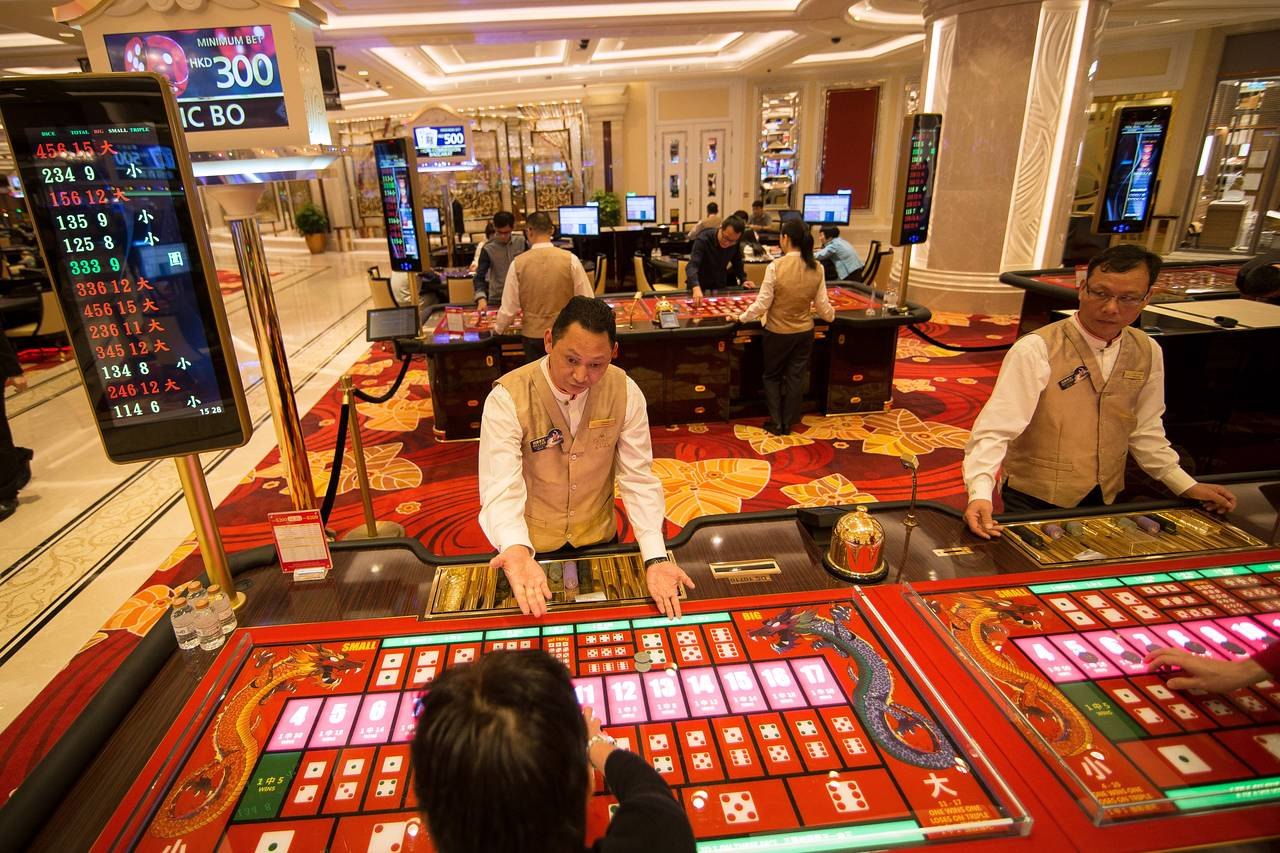
The takeaway for any operator or regulator in our region is straightforward: Macau, which could live comfortably off baccarat, is expending political capital to end its reliance on it. Not because gaming bothers it, but because a single-product economy is a fragile economy, and the pandemic proved that brutally.
When a government sits down to negotiate a license today, the conversation no longer revolves around the gaming tax percentage. It revolves around how many conferences, how many local jobs, and how much ancillary industry the project brings. Those who cannot tell that part of the story will not get the license.
Enlaces
Get KingNews in your inbox
Tech and gaming digest, no noise. Unsubscribe anytime.
Want to send us a news story?
Tell us your story. Our editorial team reviews it and gets back to you.
Would you like to advertise with us?
Write to us and we'll send you ad options and audience data.
More stories
Robótica · Inteligencia artificial · Sistemas autónomos
La colmena blindada: robots terrestres que podrían comandar enjambres de drones
Agrotecnología · Inteligencia artificial · Ganadería
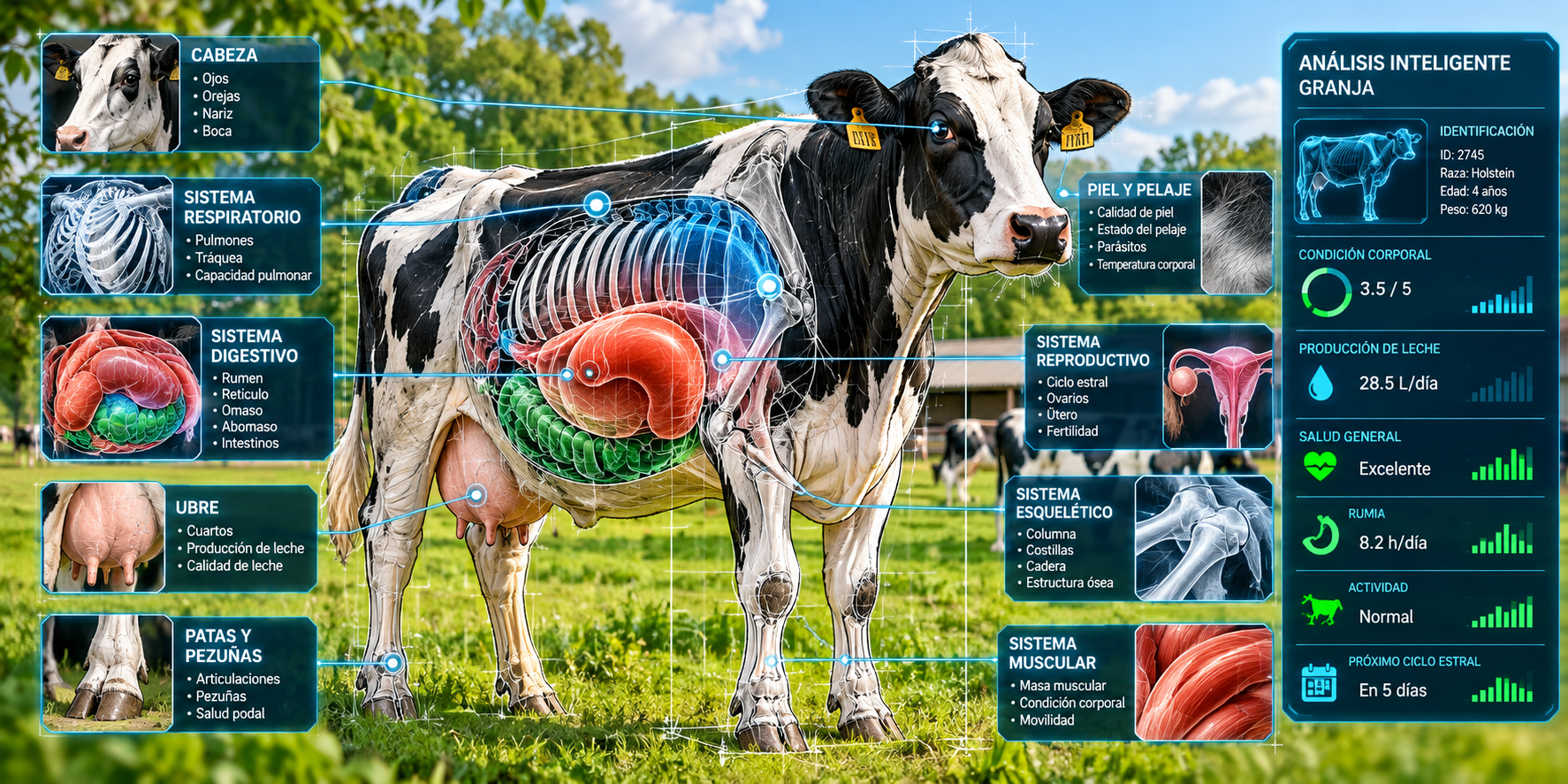
La granja autónoma toma forma: IA, drones y robots llegan al campo

Inteligencia artificial · Empresas · Opinión
BMW adelgaza su dirección con IA: ¿ha llegado la hora del gerente artificial supervisado?
Inteligencia física · Agricultura · Robótica industrial
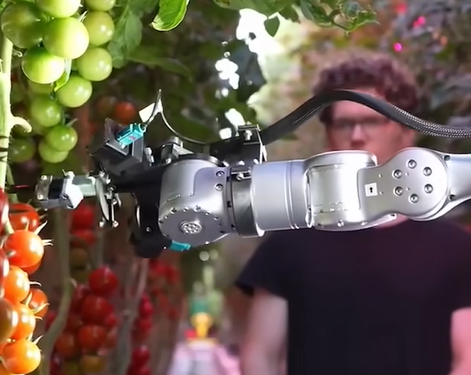
Polybot enseña a un robot a cosechar tomates mirando cómo trabajan los humanos
Inteligencia física · Robótica · Aprendizaje autónomo
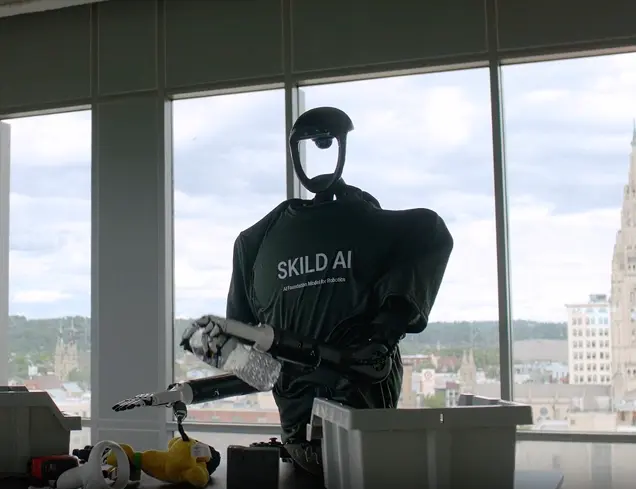
El robot de Skild AI que aprendió a jugar fútbol contra sí mismo durante 140 años simulados

Movilidad eléctrica · Arabia Saudita